The Ice Doesn't Burst Your Pipes. This Does. (9 Old Farm Tricks for a Hard Freeze)
Maggie Sullivan
0:00 / 0:00
The Ice Doesn't Burst Your Pipes. This Does. (9 Old Farm Tricks for a Hard Freeze)
42 просмотра · 7 дней назад
Maggie Sullivan
2 подписчика
42 просмотра · 7 дней назад
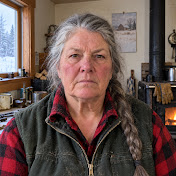
The week it hit 60 below in Minnesota, Maggie Sullivan's furnace quit at 2 in the morning, and the repairman couldn't get up her road for a day and a half. She has spent fifty winters in a 1920s farmhouse north of Duluth. Here are nine old farm tricks that keep your water pipes from freezing and bursting when the heat quits, ranked by how cold a night each one gets you through. You'll also learn why the ice isn't what splits a pipe, and what number one does for the night the heat isn't coming back.
Safety first: never put an open flame on a frozen pipe. No blowtorch, propane or kerosene heater, or charcoal. Thaw with a hair dryer, heating pad, hot towels or a space heater kept 3 feet from anything that burns, with the faucet open. Never heat your home with a gas oven, grill or generator, and never run a generator in a garage or basement. If your carbon monoxide alarm sounds, get out and call 911 from outside. Use only RV (non-toxic) antifreeze in drains, never car antifreeze.
Chapters
0:00 Intro
0:36 Safety first
1:03 The night the furnace quit, February 1996
2:02 #9 Take the hose off the spigot
3:32 #8 Foam pipe sleeves
5:00 #7 Caulk and spray foam
6:19 #6 Open the cupboard doors
7:26 #5 Set the thermostat and leave it
8:47 Halfway
9:24 #4 Let the cold tap drip
10:54 #3 A hair dryer, and the faucet open
12:27 #2 A tag on the main valve
14:02 #1 Drain the house down
16:14 Recap
16:45 Four rules
17:12 Close
Sources
American Red Cross: frozen-pipe prevention and thawing (hoses, cabinet doors, steady thermostat, 55°F when away, drip, no open flame)
University of Illinois Building Research Council and IBHS: why pipes burst (pressure between the ice and a closed faucet) and the 20°F freezing threshold for bare attic pipes
Insurance Institute for Business & Home Safety (IBHS): seal openings that let cold air reach pipes
State Farm: frozen-pipe claims averaged over $30,000 (2024 to mid-2025); a 1/8-inch crack can leak more than 250 gallons a day
National Institute on Aging: older adults should keep the home at 68°F or warmer
NFPA: space heaters 3 feet from anything that burns, plugged straight into the wall
Minnesota DNR: Feb 2, 1996, 60 below near Tower, the state record
This video is general information, not plumbing or medical advice. If you can't find or reach a frozen pipe, or a pipe has burst, call a licensed plumber. Ask your doctor or pharmacist whether your medicines affect how you handle the cold.
Stock footage (Pexels License / Pixabay Content License, no attribution required; thanks to the creators):
Pexels video IDs: 10895804, 38941513, 35018128, 6620500, 35964517, 34314522, 35982783, 35769381, 5481186, 39488470, 6904438, 35309659, 8677807, 9902348, 3147023, 35774689, 7584762, 10525169, 5699131, 5156396, 35862604, 29473235, 10401249
Pixabay video IDs: 334304, 7101, 155755, 13441, 64473, 343021
