A D LEGNANI 1663 1700 Chi sà dove è la Speranza , SANS SOUCI
Paolo Tognon
0:00 / 0:00
A D LEGNANI 1663 1700 Chi sà dove è la Speranza , SANS SOUCI
154 просмотра · 6 лет назад
Paolo Tognon
382 подписчика
154 просмотра · 6 лет назад
ANGELO LEGNANI (1662 - 1700)
Cantata: "Chi sà dove è la Speranza"
Baroque Ensemble SANS SOUCI:
Diana TRIVELLATO: soprano
Giuseppe NALIN: baroque oboe
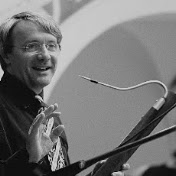
Paolo TOGNON: baroque bassoon
Nicola BENETTI: harpsichord
World premiere recording.
G. Nalin production
Angelo Domenico LEGNANI (born in Saronno in 1663 and died in Turin in 1700), is a musician who lived and worked in the Chapel of the Savoy Court towards the second half of the seventeenth century.
Very little is known about him, however his music has reached us this wonderful cantata for soprano voice accompanied by the oboe with basso continuo, currently preserved in the Santini Library in Munster in Germany.
In 1993 I had the honor of publishing in my first CD published by Dynamic "Who knows where hope is", which together with other secular cantatas then recorded in an absolute premiere with the significant title of "Echoes of Love". you can listen to links: https://open.spotify.com/album/4QTYYd...
More than 25 years ago, therefore, I came into possession of a copy of a manuscript preserved in England, containing among a series of cantatas by various authors of the Baroque period, also a part of this cantata, attributed to an unknown "Lignani" (sic) , which I thought then, was complete as you can hear it in the link mentioned above.
It is therefore only recently and after various researches, that I have had the joy of performing with this video, the whole cantata and knowing some more details about its author. I can only say that in all the approximately 12 minutes of the duration of this large secular cantata (it can be said that this is a rather rare work due to the presence of five arias and two recitatives), one remains ecstatic by the beauty of the melodic theme of the air of openness, as well as from the wise use of the voice that unfolds for all the various movements as a sort of search for lost and perhaps found love, typical of the stylistic elements of the time.
A brief reflection should be made on the use of the concerted oboe to which Legnani entrusts the part of the counter-singing evocative now of the beloved lover Olindo, now of the joyful intoxication that springs in the penultimate Giga and in the Allegro of the final Air, in which the oboe, which has appeared on the stage in France for a few decades in its baroque form which will last intact until the early 1800s and beyond, will continue to mark timbrically many unforgettable arias starting from those written by Handel in almost all his works, passing through the sing and almost all the Bach speakers, at the concerts of Albinoni, Marcello and Vivaldi, up to the extremist climax of the nineteenth century Romantic pathetism.
Then the oboe appears so early on the Italian music scene (it seems that the oboe had been imported by German and French instrumentalists who settled in Venice and for whom Albinoni wrote his famous first concerts around the very early years of the eighteenth century) , it leaves much to think, but it must also be considered that the Savoy Court was part of France at the time and therefore almost certainly Legnani had the opportunity to meet skilled French oboists in the service of the Royal Chapel where he himself worked and for whom he certainly composed the following magnificent work. Happy viewing and happy listening!
Categoria
Musica
