Maa Baglamukhi Mantra Chanting | Mantra to remove negativity | Adya Mantra Healing
Adya Mantra Healing
0:00 / 0:00
Maa Baglamukhi Mantra Chanting | Mantra to remove negativity | Adya Mantra Healing
246 просмотров · 4 дня назад
Adya Mantra Healing
31 подписчик
246 просмотров · 4 дня назад
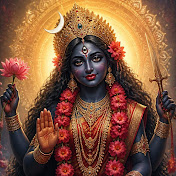
Maa Baglamukhi is typically depicted with golden or yellow-hued skin, seated on a throne, often in a temple by a pond of yellow/turmeric-colored water. She is shown:
Pulling the tongue of a demon (representing control over speech, lies, and slander)
Holding a mace or club in her other hand (representing the power to strike down evil)
Wearing yellow garments and ornaments, as yellow is her sacred color, associated with turmeric, gold, and the sun's stambhana (paralyzing/stilling) energy
She is often called the "Stambhana Devi" — the goddess of stillness, paralysis, and restraint.
What She Helps Devotees With
1. Protection from enemies and negativity
She is invoked to neutralize enemies, rivals, and ill-wishers — not through destruction, but by "stilling" or paralyzing their negative intentions and actions.
2. Victory in disputes, litigation, and court cases
Baglamukhi is one of the most sought-after deities for legal battles, debates, and conflicts, believed to silence opposition and bring truth to light.
3. Protection from black magic and evil eye
Devotees pray to her for shielding against curses, negative energy, and psychic attacks.
4. Control over speech and mind
She helps in gaining control over one's own thoughts, words, and impulsive reactions — useful for public speakers, debaters, and those seeking mental discipline.
5. Removal of obstacles caused by others
Unlike goddesses who grant general prosperity, Baglamukhi specifically targets obstacles created by external forces — rivals, gossip, sabotage, or deceit.
6. Inner stillness and meditation
On a spiritual level, she represents the stilling of the restless mind — helping devotees achieve mental clarity, focus, and inner peace amid chaos.
When She Is Worshipped
Baglamukhi puja and mantra chanting are especially popular during times of:
Legal disputes or court cases
Facing political or professional rivalry
Seeking protection from slander or conspiracy
Tantric sadhana for mental discipline and focus
