Andy Manston – ADHD, DJ Culture, Ibiza, And C*c*in*
Elliott Wald
0:00 / 0:00
Andy Manston – ADHD, DJ Culture, Ibiza, And C*c*in*
2 865 просмотров · 4 месяца назад
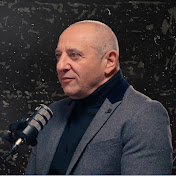
Elliott Wald
9,41 тыс. подписчиков
2 865 просмотров · 4 месяца назад
Undiagnosed ADHD. DJ culture. Ibiza. And decades of cocaine use hidden behind success.
In this episode of Coming Clean With Me, addiction specialist Elliott Wald sits down with Andy Manston, co-founder of Clockwork Orange, to unpack how a childhood shaped by undiagnosed ADHD and a lifelong relationship with music quietly evolved into decades of alcohol, speed, and cocaine use.
Andy grew up in Walthamstow, East London, an only child who struggled at school with concentration, impulsivity, and constant disruption — issues that were never recognised as ADHD at the time. Music became the one place his mind settled. From his father’s vinyl collection to learning guitar, mixing tapes on an Amstrad stereo, pirate radio, and early raves, music gave Andy structure long before it became a career.
Andy explains how alcohol and stimulant use — which began socially in rave culture — became embedded in DJ life, escalating as success and access increased.
Chapter Timestamps
00:00 – Introduction: ADHD, DJ culture, Ibiza, and cocaine
00:21 – Growing up in Walthamstow as an only child
01:00 – Undiagnosed ADHD and school disruption
02:07 – Concentration, impulsivity, and struggling to learn
02:58 – Leaving school and working at NatWest
03:52 – Music as regulation: vinyl, guitar, and early focus
04:47 – Discovering mixing on an Amstrad tape deck
05:47 – Pirate radio, hip hop, and rave culture
06:48 – Alcohol use in teenage years
07:15 – First raves and exposure to speed and ecstasy
08:21 – Early drug use as a social activity
09:50 – First experiences with cocaine
10:05 – Cocaine increasing with Clockwork’s success
10:30 – Ibiza 1994: early years and limited money
11:00 – Growth to 3,000+ people weekly
11:50 – Ibiza Uncovered and national exposure
12:36 – Excess, money, and escalation
13:18 – Group use vs. later isolated use
14:30 – Clockwork’s decline and loss of identity
15:05 – From success to financial stress
16:22 – Returning to the UK and working construction
17:21 – Weekend binge cycles explained
18:27 – Using alone at home
19:31 – Monday–Friday crash, weekend relapse loop
20:08 – “Greedy” use and excess patterns
21:36 – Clockwork relaunch while still using
22:53 – Relationship strain with Danny
24:18 – Early relationship breakdowns
25:13 – Lockdown: boredom, wine, cocaine, isolation
26:40 – Living alone and using freely
28:18 – Night-time binges before work
29:09 – Cocaine paranoia begins
29:38 – Scanning rooms, cupboards, and noises
32:04 – Driving around the block for hours
33:01 – Paranoia accelerating with tolerance
34:08 – Addiction as a “bad relationship”
36:13 – Family Christmas while secretly using
37:01 – Sneaking extra bags
38:19 – New Year’s Eve relapse
39:31 – Vodka, cocaine, and relationship explosion
40:17 – Rock bottom moment
40:48 – Two years clean
41:01 – Wanting recovery for himself
42:12 – Reaching out for help
42:33 – Call to Brandon Block
42:45 – Meeting Sean McNicholas
43:46 – Understanding ADHD and defensiveness
45:03 – ADHD, dopamine, and cocaine explained
47:21 – What meetings gave him — and when he moved on
48:46 – Life now: work, structure, awareness
50:21 – Two years clean on New Year’s Day
50:44 – Closing reflections
Elliott Wald is a British psychologist, hypnosis expert, and behavioural analyst with over 30 years of clinical experience. He specialises exclusively in the treatment of cocaine addiction via nasal use (snorting) — a form of stimulant addiction that is frequently misunderstood and poorly treated by generic recovery models.
Alongside his formal clinical training, Elliott also brings direct lived experience. He maintained a daily cocaine addiction for 15 years, when he was publicly visible and appearing as an expert on national television. This combination of clinical expertise and first-hand experience allows Elliott to understand stimulant addiction from both a neuropsychological and human perspective — without ideology, moral judgement, or surface-level explanations.
Elliott’s work focuses on the psychological, behavioural, and neurobiological mechanisms that drive cocaine addiction, including dopamine dysregulation, compulsive habit loops, impulsivity, identity reinforcement, and relapse conditioning. His approach is highly individualised, evidence-informed, and fundamentally different from generic coaching, peer-led advice, or one-size-fits-all recovery programmes based on someone else’s story.
He has appeared as an addiction expert across major UK broadcasters including ITV, BBC, Sky News, and Sky Living, and is a published author in the field of addiction.
Over 90% of Elliott’s patients work with him online, meaning private, one-to-one treatment is accessible to clients across the United States and worldwide, without the need for travel.
If you’d like to watch a video explaining how Elliott’s one-to-one programme works, or to enquire about private treatment, send a WhatsApp:
UK: 07875 751960
International: +44 7875 751960
