NPI Parkinson's Podcast Dr Joseph Neimat
Our World in Words and Film
0:00 / 0:00
NPI Parkinson's Podcast Dr Joseph Neimat
7 просмотров · 2 дня назад
Our World in Words and Film
22 подписчика
7 просмотров · 2 дня назад
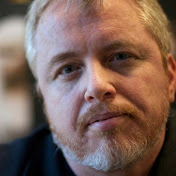
Dr. Joseph Neimat, head of neurosurgery and chair at the University of Louisville and former president of the ASSFN, joined Eric Richardson to talk about the evolution of deep brain stimulation and where it's headed.
Dr. Neimat traced DBS from its 1980s origins in France through three phases of advancement: proving it worked, refining surgical targeting, and now adaptive stimulation, where devices read brain signals in real time and respond intelligently rather than delivering constant stimulation. Beyond Parkinson's, he discussed DBS's growing use for tremor, dystonia, and epilepsy, its FDA approval for OCD, and research into depression, spinal cord stimulation for gait, and other emerging targets.
He explained what DBS can and can't fix: stiffness and slowness typically improve, balance and postural instability generally don't, and he walked through the surgical process, including why his team wakes patients mid-surgery to test electrode placement and the 3D-printed, patient-specific head frame they use for precision. A key point on timing: the best predictor of DBS success is a patient's best on-medication state, and the ideal window for surgery is often around five years into the disease, when medication starts becoming less reliable, not after severe decline sets in.
The conversation closed on his research into how stimulation affects cognition and emotion, the possible future role of AI in interpreting brain signal data, and the impact of local patient advocates in normalizing DBS within Louisville's Parkinson's community.
