Nobel Prize in Chemistry 1993 | The DNA photocopier!
The Nobel Files
0:00 / 0:00
Nobel Prize in Chemistry 1993 | The DNA photocopier!
44 просмотра · 5 дн. назад
The Nobel Files
1 подписчик
44 просмотра · 5 дн. назад
A single strand of hair is found at a murder scene. Inside it: just a handful of cells — far too little DNA to test. So how do you copy something tens of thousands of times thinner than a hair?
In 1983, a chemist named Kary Mullis found the answer on a night drive through Northern California. His idea — the Polymerase Chain Reaction, or PCR — can turn one tiny piece of DNA into about a billion copies in a few hours. Ten years later, it won him half of the 1993 Nobel Prize in Chemistry.
In this episode, Nelbo explains:
How PCR works — in three simple steps: separate, choose, copy
Why "do it again" was the idea that changed everything
The enzyme that kept dying in the heat — and the Yellowstone hot spring that fixed it
How PCR transformed forensic science, medicine, ancient DNA research — and COVID testing
⏱ CHAPTERS
0:00 One hair, one question
1:01 The 1993 Nobel Prize in Chemistry
1:40 How PCR works (explained simply)
2:47 Biology before PCR
3:30 Who was Kary Mullis?
4:12 The night drive that changed biology
6:22 Legacy: from crime scenes to COVID
📚 SOURCES
NobelPrize.org — The Nobel Prize in Chemistry 1993; Kary B. Mullis, Nobel Lecture
Britannica — Kary Mullis
Embryo Project Encyclopedia (Arizona State University) — Kary Banks Mullis
Wikipedia — Thermus aquaticus; Taq polymerase
NobelPrize.org — The Nobel Prize in Physiology or Medicine 2022 (Svante Pääbo)
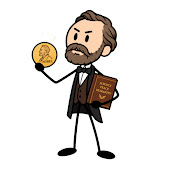
ℹ️ Nelbo is our mascot — a stylized, dramatized stand-in for Alfred Nobel, who died in 1896 and never attended a prize ceremony. Narration uses AI-generated voices. Historical facts are sourced above.
🔔 New episode every week. Subscribe to follow every Nobel Prize story.
#NobelPrize #PCR #DNA #KaryMullis #Chemistry #HistoryOfScience #TheNobelFiles
