Siltronix vs PAL old school VFO VCO's
CB Radio History Channel and CB Museum
0:00 / 0:00
Siltronix vs PAL old school VFO VCO's
668 просмотров · 1 г. назад
CB Radio History Channel and CB Museum
5,31 тыс. подписчиков
668 просмотров · 1 г. назад
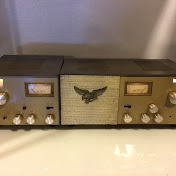
A talkthru and comparison of the old Siltronix and PAL VFO's from back in the day during the CB boom. The Siltronix was the most popular VFO made back then. It was relatively cheap, had many versions that covered most radios and had a wider range than its main competitor, the PAL VFO. However, the Siltronix did have its limitations. It drifted. Though it was stable enough for AM, it was not stable enough for SSB. It also put out around 1/2 a volt which was not quite enough to drive many radios. The fix for that was to get a VFO amplifier or nowadays, a DDS amplifier. The first model or version of the Siltronix VFO was the model 80. The model 80 had 1 single band and covered from around -2 to 35 in the CB channels. With the 40 channel CB's coming out and people during the boom era going past even the 40 legal channels, Siltronix went back to the drawing board and came up with the model 90. The 90 added a 2nd band of channels and the 2nd band's range started at around channel 30 and went up to about channel 65. Also, the 90 added 3 fixed crystal slots so you could get a crystal for your favorite channels and go to them directly. Also, when using a VFO, the normal way was to pull a crystal, usually channel 23 or channel 1. With the added fixed crystal bank in the 90 VFO, you then could stick the crystal you pulled into the VFO crystal slot and hence get that channel back directly thru the VFO.
PAL was the other main VFO of choice from back in the day. It was crystal controlled instead of just cap/coil combo for frequencies. Hence, it was very stable. It also put out a lot more output voltage than the Siltronix so it did not need an added amplifier to drive the hard t drive radios. Since the PAL's were so stable, they could be used on SSB. However, the problem with the first version of the PAL's was that they would only go up to channel 35 max. The problem with the crystal control was that you can only move a crystals frequency so far away from the crystal before the crystal stops oscillating. With the 2nd version of the PAL's, they just moved the starting frequency up to channel 15 from the first version, so the 2nd version of the PAL's cover from around channel 15 and up to channel 50. Not a ton of range, but at least it covered most the upper frequencies you would want to use a VFO for. In short, PALS where a better more stable VFO with more output but had 1/2 the range of a Siltronix.
Last, there was the Glen 326G VFO. It was cap/coil controlled and had a bunch of different coils that could be switched to by the band switch and it covered a very wide range. The range was something like 5-35mhz! Also, the Glen had a frequency counter with a digital programmable offset. Hence, the Glen was extremely versatile, it would cover just about any crystal-controlled radio made, but it had its downsides too. The main downside was it drifted a lot. I have seen several reasons why the 326g would drift. One was it has a band switch. The band switch would get some residual resistance and with that resistance, the frequency would drift. The Glen also used 2 ten turn pots on the front to vary the frequency. One was course and the other was fine tuning. These 10 turn pots would also start wobbling or varying their resistance over time. Best to replace them. There is more, but those are the main 2 reasons.
The modern solution is to use a DDS (Direct Digital synthesis) which are are rock solid and extremely versatile. There are some people who are taking the guts out of the old Slitronix VFO's and replacing the electronics with modern DDS technology, so you have the looks of old school with the dependability of new school. Others are now starting to just replace the whole internal crystal scheme in a radio with DDS technology. My expertise is power and audio so you won't see that from me. Hopefully, someone will make an internal replacement for the Browning Golden Eagle Mark 4 PLL soon. Come on, Nomad!
