25 Brutal Truths About Working at the Singer Sewing Machine Factory
Before the Rust
0:00 / 0:00
25 Brutal Truths About Working at the Singer Sewing Machine Factory
2 287 просмотров · 1 дн. назад
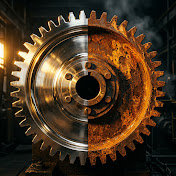
Before the Rust
2,34 тыс. подписчиков
2 287 просмотров · 1 дн. назад
Thank you for watching and for caring about the real story of what America built. If this channel means something to you, subscribe and keep this history alive.
Singer Factory: The Brutal Truth They Stitched Over
For over a century, the gold Singer name sat on treadles in homes across America. Behind it stood the factory at Elizabethport, New Jersey, and the men and women who poured its iron, tested its stitches and built its war machines. This countdown follows them through fires, strikes, boardroom deals and broken promises, from New Jersey to Clydebank, Scotland. And the moment that did the most damage may not be the one you remember.
Sources and further reading
Genius Rewarded, or The Story of the Sewing Machine. Singer Manufacturing Company, 1880.
Historic American Engineering Record. Singer Manufacturing Company, Elizabeth, Union County, New Jersey. Library of Congress.
The Historical Society of Elizabeth, New Jersey. Elizabethport and the Singer plant, including oral histories from the neighborhood around the factory.
Ruth Brandon. Singer and the Sewing Machine: A Capitalist Romance. 1977.
Robert Bruce Davies. Peacefully Working to Conquer the World: Singer Sewing Machines in Foreign Markets, 1854 to 1920. 1976.
Glasgow Labour History Workshop. The Singer Strike, Clydebank, 1911. 1989.
Tom Bell. Pioneering Days. 1941.
West Dunbartonshire Council, Clydebank Museum. The Singer Collection and the history of the Kilbowie factory.
International Directory of Company Histories. The Singer Company N.V., and Bicoastal Corporation.
Contemporary press coverage of the Bilzerian takeover and the retirees’ lawsuit. UPI, Retirees Suing Singer, September 1988, and TIME, A Raider’s Days of Reckoning, 1989.
About this channel
This video is made for educational and informative purposes. Our goal is to widen your knowledge of American industrial history and to honor the working people who built it, using primary sources, oral histories and documented records. Every script is researched, written, edited and fact-checked by our team. All visuals and storyboards are developed internally by our own creative team.
