St Cwyfan`s Church { Little Church in the Sea }
dave bevan
0:00 / 0:00
St Cwyfan`s Church { Little Church in the Sea }
337 просмотров · 1 год назад
dave bevan
424 подписчика
337 просмотров · 1 год назад
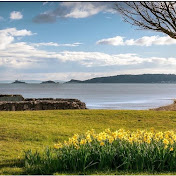
On the outskirts of Holyhead is the most recognizable church on Anglesey, St Cwyfan's Church - The Church in the Sea. The 12th century medieval church is perched on a small island called Cribinau. Originally it stood on a peninsula between two bays, however over time the sea has slowly eroded the coast.
St Cwyfan’s Church: Anglesey’s Church in the Sea
Written by Joe Roberts in Anglesey,Beaches,Historical Sites
St Cwyfan's Church
St Cwyfan’s church (Eglwys Cwyfan), known by many as the “little church in the sea”(or Eglwys bach y môr in Welsh), is located on an island only accessible during low tide. The Grade II listed church has long been a popular hotspot for locals and visitors for centuries and is perhaps the most recognisable church in North Wales.
Nestled in a bay situated between Aberffraw and the Anglesey Circuit, the church began its life on land situated on a peninsula between Porth China and Porth Cwyfan. However, after centuries of gradual erosion, the church now sits “marooned” in a singular bay and can only be accessed during the hours of low tide.
As a result, this small tidal island (called Cribinau) has become one of the most visited sites on the Isle of Anglesey. So if you are planning on visiting this with the evocative old church, here’s what you need to know.
St Cwyfan's Church
A spectacular sunset at Porth Cwyfan
The Church in the Sea
St Cwyfan’s church dates right back to the 12th century, although it is thought there has been some form of church here from at least the 7th century onwards. It was constructed in dedication to Saint Kevin (St Cwyfan), who founded the nearby monastery over the Irish Sea in Glendalough, Ireland. Once the land had eroded to make Cribinau island, a small causeway was built so that villagers could still make it to the church.
As the waves continued to erode Cribinau, the cliff edge eroded, and graves surrounding the church began falling into the sea. At this point, the church was abandoned and replaced by a new church building located further inland at Llangwyfan
