Tibet Oral History Project: Interview with Pasang on 3/30/2017
Tibet Oral History Project
0:00 / 0:00
Tibet Oral History Project: Interview with Pasang on 3/30/2017
8 442 просмотра · 8 л. назад
Tibet Oral History Project
7,74 тыс. подписчиков
8 442 просмотра · 8 л. назад
The interpreter's English translation provided during this interview is potentially incomplete and/or inaccurate. If you are not fluent in Tibetan, please refer to the interview transcript for the complete and correct English translation. Read the interview transcript in English at http://tibetoralhistory.org/Interview...
** This interview about life in Tibet was conducted by the Tibet Oral History Project. This non-profit organization aims to preserve the history and culture of the Tibetan people by interviewing elderly Tibetan refugees about life in Tibet before and after the Chinese invasion. Learn more at http://www.TibetOralHistory.org.
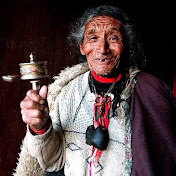
** Interview Summary: Pasang was born in Geji Zakarnag in Kham to a nomadic family that raised yaks, dri ‘female yaks,’ sheep and goats. As a young girl she assisted her mother with milking the dri and making butter, cheese and curd. Meat and dairy products were the main part of their diet. They exchanged their dairy products, meat and wool for grains in Jekundo and Nagchuka. Pasang’s family lived in a tent and relocated whenever they needed to find greener pastures. The only fuel available in her region was dung. Pasang describes in detail how dung was flattened, dried and stored in covered heaps to be used when it rained in summertime. Water was easily accessible during the summer, but during winter ice had to be melted. Pasang describes the nomads’ cookware, tea, clothing, jewels and medicine.The Chinese appeared when Pasang was 8 years old and she was unable to become a nun as she had hoped to. Her family spent many months on their escape journey until being caught at Thoe Bawa. Her father and brother were taken away to China and Pasang, her mother and her sister were forced to tend sheep for the Chinese. After seven months, they escaped again but Pasang’s mother died on the journey. Pasang and her sister continued on to reach a settlement in Nepal.
