Joseph Haydn / Symphony No. 46 in B major (Weil)
scrymgeour34
0:00 / 0:00
Joseph Haydn / Symphony No. 46 in B major (Weil)
16 914 просмотров · 13 л. назад
scrymgeour34
29,5 тыс. подписчиков
16 914 просмотров · 13 л. назад
Franz Joseph Haydn (1732-1809)
Symphony No. 46 in B major, Hob. I:46 (1772)
00:00 - Vivace
05:22 - Poco adagio
11:37 - Menuet (Allegretto) & Trio
14:12 - Finale. Presto e scherzando
Tafelmusik, dir. Bruno Weil (1993)
"It is now thought that Symphony No. 46, in the extraordinary key of B major, might form part of a cycle, together with No. 45 ([Nos. 45, 46, & 47] all exist in Haydn's dated autographs, and all were composed in 1772). For this work, Haydn also needed special horn crooks: he took a half-note crook and added it to a C horn, making out of it an instrument (or rather a pair) in B. There are numerous felicities in the score of No. 46 to delight that fastidious connoisseur for whom it was written: the second movement (Poco adagio) in B minor is like a rather forlorn siciliano (Haydn had written one such movement in his preceding opera, 'Le piscatrici'). Much of this music has a strangely dark-hued quality to it, and this emotion is increased even further in the Trio of the Minuet, which is 'durchkomponiert' (though with double bar lines) and ends sinisterly in B minor. The Finale -- also a very odd movement with strange silences -- has a bizarre and unsettling moment when the music comes to a dead stop, after which a large section of the Minuet is repeated. Then the quick music of the Finale is resumed (with a long pedal point on the horns) and the Symphony is over -- almost a scene out of the commedia dell'arte, with Columbine and Harlequin enacting some kind of pantomime, basically very amusing but with queer overtones." - H.C. Robbins Landon
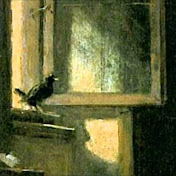
Painting: Theater Scene [detail], Peeter van Bredael
