7 Rules of How to Stop Reacting to Everything | Psychology Explained
Reset to Rise
0:00 / 0:00
7 Rules of How to Stop Reacting to Everything | Psychology Explained
22 просмотра · 9 дн. назад
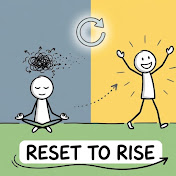
Reset to Rise
15 подписчиков
22 просмотра · 9 дн. назад
Learn how to stop reacting to everything with the psychology of emotional control. Discover why you overreact, how the brain's alarm works, and 7 proven steps for emotional regulation.
Someone says one sentence, and your whole day changes. You snap, send the message, or replay the moment for hours. This video explains why your brain reacts before you decide to, and gives you practical, research-backed steps to build a pause between the trigger and your response.
⏱ CHAPTERS
00:00 You reacted before you decided to
00:30 The two-route brain: why the alarm fires first
00:56 Amygdala hijack explained
01:17 The story you attach to what happened
01:53 Why suppressing your emotions backfires
02:39 The habit loop that makes reacting automatic
03:00 Step 1: Catch the surge in your body
03:32 Step 2: Calm your body with cyclic sighing
04:12 Step 3: Name the feeling precisely
04:55 Step 4: Question the story
05:30 Step 5: Create distance with self-talk
06:03 Step 6: Decide in advance with if-then plans
06:43 Step 7: Protect your baseline (sleep and fuel)
08:03 Four questions before you react
08:48 Widening the gap
🧠 WHAT YOU'LL LEARN
Why reacting quickly is biology, not a character flaw
How the amygdala shortcut makes you feel before you think
How your interpretation of events drives your reaction
Why suppressing emotions makes things worse, and what works better
How to use a long exhale to calm your nervous system
How naming a feeling precisely reduces its grip
How to use third-person self-talk to gain distance
How if-then plans help you respond calmly under pressure
Why sleep changes how reactive your brain is
How to let an urge rise and pass without acting on it
📚 RESEARCH AND IDEAS MENTIONED
Joseph LeDoux, research on the brain's fast threat pathway to the amygdala
Daniel Goleman, the "amygdala hijack" concept
Kenneth Dodge, research on hostile interpretation of ambiguous situations
James Gross, research on emotion suppression and cognitive reappraisal
Melis Yilmaz Balban, David Spiegel et al. (2023), brief structured breathing practices and mood, Cell Reports Medicine
Lisa Feldman Barrett, research on emotional granularity
Ethan Kross, research on distanced self-talk
Peter Gollwitzer, research on implementation intentions (if-then plans)
Matthew Walker et al. (2007), sleep deprivation and amygdala reactivity, Current Biology
Alan Marlatt, the urge surfing technique
✍️ TRY THIS TODAY
The next time you feel a surge, do three things: take one long slow exhale, name the feeling in one specific word, and wait ten minutes before you reply. Then comment below and tell me what happened.
👍 If this video helped, please like it, comment your experience, and subscribe for more insights on mental health and the psychology of emotional control.
We work on becoming 1% better every day. Reset to Rise.
This video is for educational purposes only and is not a substitute for professional medical or psychological advice. If you struggle with anger, anxiety, or emotional distress, please consider speaking with a qualified professional.
#emotionalcontrol #psychology #selfimprovement #stopreacting #neverreactagain
