The Soothing Syrup for Babies That Was Secretly Morphine
The Cure Was Worse
0:00 / 0:00
The Soothing Syrup for Babies That Was Secretly Morphine
115 просмотров · 3 недели назад
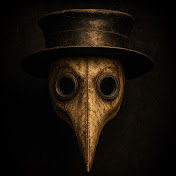
The Cure Was Worse
41 подписчик
115 просмотров · 3 недели назад
Mrs Winslow's Soothing Syrup: the Victorian patent medicine, sold for teething babies, that was dosed with morphine. This is that history, told soberly.
I'm Dr. Hollis, a retired coroner and pathologist. In this one I walk you, carefully and with respect for the people it involved, through one of the quietest tragedies in the history of medicine: the soothing syrups of the nineteenth century, sold across the United States and Britain as gentle, wholesome remedies for teething, colicky, and fretful infants, and reached for by exhausted, loving mothers who had no idea what was inside the bottle.
The inversion at the heart of it: the gentlest, most maternal, most trusted product in the nursery was quietly an opiate. Introduced in the United States around 1849 and sold hugely into the early twentieth century, this soothing syrup owed its calming power not to any cure but to morphine and alcohol. One commonly cited estimate puts its strength on the order of 65 milligrams of morphine per fluid ounce, and I flag plainly that formulations and estimates vary. It did not ease teething or colic. It narcotized the child. Because the dosing was uncontrolled and the drug was powerful, these syrups harmed infants, and an unknown number died. Accuracy is the point. In 1911 the American Medical Association publicly condemned this class of products, naming the soothing syrups baby killers. Reform came with the US Pure Food and Drug Act of 1906, which forced narcotic contents onto the label, and Britain brought in its own restrictions; once mothers could read the word morphine, sales fell. This is history, not medical advice. Nothing here is health guidance, a recommendation, or a how-to of any kind. It is the story of how the most trusted, most domestic product in the house was the danger.
Chapters:
0:00 A Spoonful in the Candlelight
1:17 I'm Dr. Hollis
3:36 A World of Crying and Loss
6:06 The Age of Patent Medicine
8:43 The Gentlest Advertising
11:22 What Was Really Inside
13:59 The Danger in the Quiet
16:18 The Doctors Speak
18:42 Cracking the Secret
21:03 When the Label Told the Truth
23:00 What You Reach For
24:24 Who Checked
Sources and further reading: On the class of nineteenth and early-twentieth-century soothing syrups, patent (proprietary) medicines marketed for teething, colicky, and fretful infants and young children, of which Mrs Winslow's Soothing Syrup, introduced in the United States around 1849, was the best known, sold widely in both the United States and Britain into the early twentieth century. On their active ingredients, morphine (an opiate) and alcohol, with the strength of this syrup commonly estimated on the order of 65 milligrams of morphine per fluid ounce, a figure that varied by formulation and remains an estimate. On the mechanism: the syrup sedated rather than cured, quieting infants by narcotizing them, and because dosing was uncontrolled and morphine is dangerous to infants it caused overdoses and an unknown number of deaths and injuries, many unrecorded amid the high infant mortality of the age. On the condemnation: in 1911 the American Medical Association publicly denounced this class of soothing syrups, naming them baby killers. On the reform: the era of largely unregulated patent medicine and its bold, wholesome advertising gave way to the United States Pure Food and Drug Act of 1906, which required narcotic contents to be declared on the label, with Britain enacting its own later restrictions, after which sales declined once the morphine was disclosed. Several dates and figures are commonly cited estimates and are flagged as such. The people in this story, above all the mothers, are treated with dignity, not as spectacle.
