Walking Hornsby’s Old Side: Odeon Cinema, RSL, Murals, Sunset Streets History Sydney Australia 4K HD
Michael J. Yates
0:00 / 0:00
Walking Hornsby’s Old Side: Odeon Cinema, RSL, Murals, Sunset Streets History Sydney Australia 4K HD
1 471 просмотр · 1 г. назад
Michael J. Yates
339 подписчиков
1 471 просмотр · 1 г. назад
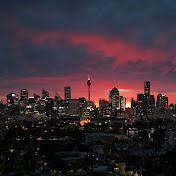
Join me for a Friday evening sunset stroll through the historic heart of Hornsby, New South Wales.
We start with a brief look towards the “new side” before crossing over to the western side of the railway station. If you catch the train to Hornsby, 2:50 is where the “old side” of Hornsby starts.
Hornsby railway station opened in 1886 as "Hornsby Junction". The western side, today known as the "old side", developed as the original town centre, with early settlers, small farms, and timber workers establishing the area prior to the railway's arrival.
Peats Ferry Road. This was the road's original name before it became part of the Pacific Highway in 1931. In 2014, this section between George Street, Hornsby, and Jersey Street North, Asquith, reverted to its original name: Peats Ferry Road. This area became a hub of commercial and civic development.
You will see Hornsby’s original commercial centre and civic core, where generations have shopped, gathered, worked, and passed through: shops, the post office, and various public buildings. Institutions like Hornsby RSL Club and Hornsby TAFE were later established here in the mid-20th century. The street layout, scale of buildings, and architectural style reflect the suburb’s longer development timeline.
Some specific landmarks worth noting are: Zi Teresa Pizzeria, Forbes Footwear, the Odeon Cinema (part of Hornsby's social life for over a century!), Hornsby Swimming Pool, Hornsby Shire Council’s main offices and Council Chambers, Hornsby Courthouse, Hornsby Police Station, and don't forget those gorgeous murals in Dural Lane and Beattie Lane!
In contrast, the "new side", east of the train station, underwent more intense commercial and residential development from the 1970s onward, as shopping centres and car-centric urban planning reshaped the suburb.
While the “new side” now holds Westfield and newer infrastructure, the “old side” retains the core of Hornsby’s historic identity. This is the Hornsby many overlook, away from the glossy new developments across the tracks. It is vital to preserve the character of the “old side”—not just for its architecture, but because it holds the memory and identity of the suburb. The “old side” remains a vital link to Hornsby’s history and identity.
