Are We Helping the Poor or Keeping Them Poor? I Pakistan's Poverty & Social Protection Trap
Haque Economics
0:00 / 0:00
Are We Helping the Poor or Keeping Them Poor? I Pakistan's Poverty & Social Protection Trap
1 872 просмотра · 11 ч назад
Haque Economics
8,13 тыс. подписчиков
1 872 просмотра · 11 ч назад
PAKISTAN’S POVERTY CRISIS: ARE WE HELPING THE POOR OR KEEPING THEM POOR?
Why does poverty persist in Pakistan? Are cash transfers and social protection enough, or does the country need a system that allows people to work, trade, start businesses, and build better lives?
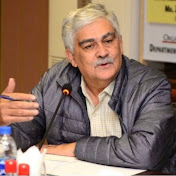
In this episode of SIA Conversations, host Dr. Nadeem Ul Haque sits down with economist Dr. Talat Anwar to examine Pakistan’s poverty challenge, social protection policies, poverty measurement, inequality, and the role of economists in shaping public policy.
The discussion questions whether Pakistan’s approach to poverty focuses too narrowly on income and cash assistance while overlooking the barriers that prevent ordinary citizens from earning a living. From street vendors struggling to operate to debates over official poverty lines, the conversation explores how policy choices shape economic opportunity.
IN THIS EPISODE:
• Pakistan’s Poverty Crisis:
Why does poverty persist despite years of development policies and assistance programmes?
• Social Protection and Social Security:
Should the state focus on cash transfers, economic opportunity, or a combination of both?
• Street Vendors and Small Businesses:
Why do people trying to earn a living face restrictions, and what would a more enabling system look like?
• Measuring Poverty:
How are poverty lines calculated, and what do income-based and multidimensional measures reveal?
• IMF and World Bank Poverty Reports:
How do international institutions measure poverty, and how should their estimates be evaluated?
• The Benazir Income Support Programme:
What role should cash assistance play in a broader poverty-reduction strategy?
• Economic Growth and Inequality:
Why do growth and income distribution both matter for reducing poverty?
• Bureaucracy and Economic Opportunity:
How do regulations and government practices affect the ability of poor citizens to work and establish businesses?
• Why Economists Are Missing from Mainstream Policy:
Why is economic research not always reflected in Pakistan’s policy decisions?
• A Better Way Forward:
How can Pakistan move from managing poverty towards expanding opportunity, productivity, and economic freedom?
#PakistanPoverty #SocialProtection #StreetVendors #PakistanEconomy #Poor #NadeemUlHaque #TalatAnwar #IncomeInequality #PovertyReduction #EconomicFreedom #SIACconversations
___________________________________________
Dr. Talat Anwar is an economist whose research includes poverty measurement, income inequality, economic growth, and development policy. His published work examines how growth and changes in income distribution influence poverty reduction.
Dr. Nadeem Ul Haque is a Pakistani economist and policy expert, former Deputy Chairman of the Planning Commission of Pakistan, and former Vice-Chancellor of the Pakistan Institute of Development Economics (PIDE). His work focuses on economic policy, institutional reform, governance, and development.
_____________________________________________
Can Pakistan reduce poverty sustainably without changing the rules and institutions that shape people’s ability to work, earn, and build businesses?
Pakistan’s Poverty Crisis: What Is Going Wrong?
How Should We Define and Measure Poverty?
Are Official Poverty Figures Telling the Whole Story?
IMF and World Bank Poverty Estimates
Cash Transfers or Economic Opportunity?
BISP and Pakistan’s Social Protection System
Why Are Street Vendors Restricted?
Economic Growth vs Income Inequality
Bureaucracy and Barriers to Small Businesses
Why Are Economists Missing from Policy Decisions?
What Would It Take to Reduce Poverty?
_______________________________________
