Why Calm People Win — Marcus Aurelius on Not Reacting
Marble Mind
0:00 / 0:00
Why Calm People Win — Marcus Aurelius on Not Reacting
35 просмотров · 2 дн. назад
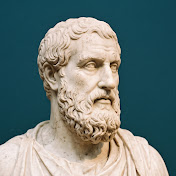
Marble Mind
22 подписчика
35 просмотров · 2 дн. назад
Why does the calmest person in the room so often end up with the most influence? Marcus Aurelius, emperor of Rome, wrote the answer in his private notebook: the nearer the mind is to freedom from passion, the nearer it is to strength. In this video: the rock that tames the waves, saying nothing more to yourself than what you saw, the bitter cucumber, who really pays for a reaction, what Marcus learned from Antoninus Pius, the revolt of Avidius Cassius, how to return when you go out of tune, one bad morning played twice, and the mind as a citadel.
Every quotation in this video is checked against the original text.
Chapters
0:00 Picture the Calmest Person You Know
1:50 The Emperor's Notebook
3:19 The Rock in the Sea
4:49 Only What You Saw
6:26 The Bitter Cucumber
7:52 Who Pays for the Reaction
9:27 The Man Who Did Nothing in a Hurry
10:59 A Test in the Year One Hundred and Seventy Five
12:23 When the Wave Knocks You Over
13:44 The Same Morning, Twice
15:44 The Citadel
17:16 Old Wisdom for Modern Minds
Sources
• Marcus Aurelius, The Thoughts of the Emperor Marcus Aurelius Antoninus (Meditations), translated by George Long (1862), public domain — Project Gutenberg eBook #15877.
Quoted passages: IV.49 (the promontory), VI.11 (quickly return to thyself), VI.30 (Antoninus, nothing in a hurry), VIII.48 (the citadel), VIII.49 (first appearances), VIII.50 (the bitter cucumber), XI.18 (eighth rule; nearer to strength; both are wounded and both submit). Also referred to: I.16, and George Long's biographical sketch for the revolt of Avidius Cassius (A.D. 175).
Subscribe for old wisdom for modern minds: the Stoics, Carl Jung and the thinkers who understood people long before psychology had a name.
Narration and images are created with the help of AI. The script is researched and fact-checked against the sources above.
#MarcusAurelius #Stoicism #Philosophy
