Śrīmad Bhāgavatam As it is | Canto 2 Chapter 7 | Day 26 | Sriman Madhava Gopinatha Prabhu
Purana Tilakam
0:00 / 0:00
Śrīmad Bhāgavatam As it is | Canto 2 Chapter 7 | Day 26 | Sriman Madhava Gopinatha Prabhu
20 просмотров · 3 дня назад
Purana Tilakam
268 подписчиков
20 просмотров · 3 дня назад
In this Day 26 class on Śrīmad Bhāgavatam As It Is, Canto 2, Chapter 7, Śrīmān Madhava Gopinatha Prabhu explains the chapter titled “Scheduled Incarnations with Specific Functions.” This chapter continues Lord Brahmā’s instructions to Nārada Muni and presents the glorious incarnations of the Supreme Personality of Godhead, who descends again and again for specific divine purposes.
Lord Brahmā begins by describing the Lord’s appearance as Varāha, the boar incarnation, who lifted the earth from the Garbhodaka Ocean and pierced the demon Hiraṇyākṣa with His tusk. He then describes Suyajña, born from Ākūti and Ruci, who became Indra and removed the miseries of the three worlds, earning the name Hari.
The chapter then glorifies Lord Kapila, the son of Kardama Muni and Devahūti, who instructed His mother in self-realization and helped her become liberated from the contamination of the material modes. Lord Brahmā also narrates the appearance of Dattātreya, born as the son of Atri, whose grace purified many great personalities and bestowed both material and spiritual blessings.
Brahmā describes the four Kumāras — Sanaka, Sanātana, Sanandana and Sanat-kumāra — who restored spiritual truth in the previous creation. He then explains the appearance of Nara-Nārāyaṇa Ṛṣi, who demonstrated the ideal of austerity and penance. Even the celestial beauties sent by Cupid could not disturb Him, showing that lust and anger cannot enter the heart of the Supreme Lord.
The chapter also describes Dhruva Mahārāja, who, though insulted as a child, performed severe austerities and received the eternal Dhruva planet by the Lord’s mercy. Then comes the appearance of Pṛthu Mahārāja, who delivered his fallen father Vena and drew all kinds of crops and produce from the earth for the welfare of the people.
Lord Brahmā next describes Ṛṣabhadeva, who appeared as the son of King Nābhi and taught the highest perfection of self-satisfaction and liberation. He also glorifies Hayagrīva, the golden-hued personification of sacrifice and the Vedas, from whose breathing the sweet sounds of Vedic hymns manifested.
The Lord’s Matsya incarnation protected the Vedas and sheltered living beings during the devastation waters, while Kūrma, the tortoise incarnation, supported Mandara Mountain during the churning of the Milk Ocean. In the form of Nṛsiṁhadeva, the Lord destroyed the fear of the demigods by killing the demon Hiraṇyakaśipu and protecting His devotee Prahlāda.
The chapter then recounts the deliverance of Gajendra, the king of elephants. Hearing Gajendra’s helpless prayer, the Lord immediately appeared on Garuḍa with His cakra, cut the crocodile’s mouth, and rescued the elephant. This episode reveals the Lord’s swift mercy toward one who sincerely takes shelter of Him in distress.
Brahmā further glorifies Vāmanadeva, who appeared as the youngest son of Aditi and asked Bali Mahārāja for three steps of land. Bali, though forbidden by his guru, remained truthful and surrendered everything, even his own body, to the Lord. The chapter also mentions Haṁsāvatāra, who instructed Nārada in the science of God and devotional service.
The Lord appears as Dhanvantari to inaugurate medical science, as Paraśurāma to uproot corrupt kṣatriyas, and as Lord Rāmacandra, who accepted exile with Sītā and Lakṣmaṇa, punished Rāvaṇa, and revealed divine majesty through His compassion, anger and heroic deeds.
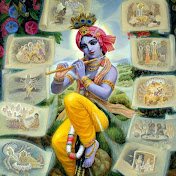
Lord Brahmā then speaks about the extraordinary pastimes of Lord Kṛṣṇa, establishing beyond doubt that He is the Supreme Lord. As a child, Kṛṣṇa killed Pūtanā, overturned the cart, uprooted the twin arjuna trees, revived the cowherd boys and animals from poisoned Yamunā water, chastised Kāliya, swallowed the forest fire, revealed the universe in His mouth to mother Yaśodā, protected Nanda Mahārāja, and lifted Govardhana Hill for seven days to protect Vraja.
The chapter also mentions many demons and warriors defeated by the Lord and His associates, including Pralamba, Dhenuka, Baka, Keśī, Ariṣṭa, Cāṇūra, Muṣṭika, Kaṁsa, Narakāsura, Śālva, Dantavakra and others. Even those killed by the Lord attained liberation or His personal abode, revealing the extraordinary mercy of the Supreme Personality of Godhead.
Brahmā then describes future incarnations such as Vyāsadeva, who divides the Vedic knowledge for the people of short life and limited intelligence; Lord Buddha, who appears to bewilder atheists and preach subreligious principles; and Kalki, who appears at the end of Kali-yuga as the supreme chastiser when knowledge of God and sacrifice has disappeared.
The chapter concludes by emphasizing that no one can fully measure the prowess of Lord Viṣṇu. Even Brahmā, the ancient sages, and Śeṣa with thousands of mouths cannot reach the end of His glories. Only those favored by the Lord through unalloyed surrender can cross the ocean of illusion and understand His science.
