Why Japanese Scrambled Eggs Are Better — My Grandma's Secret Recipe
Umami Kitchen
0:00 / 0:00
Why Japanese Scrambled Eggs Are Better — My Grandma's Secret Recipe
459 просмотров · 13 дн. назад
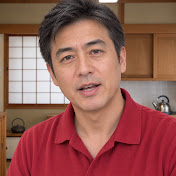
Umami Kitchen
149 подписчиков
459 просмотров · 13 дн. назад
Both plates came from the same carton. One was wet and squeaky; the other was soft, dark, and shiny with no water underneath. The difference was not the pan—it was what went into the bowl before the heat arrived. I am Sato, and at Umami Kitchen (@UmamiKitchenLab) I cook the way my grandmother did in Tohoku: sesame oil, sugar, salt, sake, and dashi in the bowl, flat chopstick beat, strainer, dry pan with a thin oil film, and taking eggs out while they still look underdone. Subscribe and share this if you want dry plates to stop happening. Give it a like, comment where you are watching from, and tell me one family egg trick you never see elsewhere—every kitchen has one. The work is finished before the pan is hot; the egg finishes after it leaves the pan.
Easy to make Japanese recipes that your family will enjoy :)
------------------------------------------------------
Two plates, the same eggs, and completely different results. In this video, I share my grandmother’s Japanese scrambled egg method for creating big, soft, glossy folds without the watery puddle or rubbery texture.
I explain why scrambled eggs release water, how dashi and simple seasonings help keep them tender, and why I beat and strain the mixture before cooking. I also show how I choose fresher eggs, prepare the pan with oil instead of butter, cook in two stages, and finish with residual heat. Try my six-egg test and discover five frugal kitchen lessons you can use far beyond breakfast.
