Как устроена домашняя сантехника: подсобное помещение 1080p
The Utility Room
0:00 / 0:00
Как устроена домашняя сантехника: подсобное помещение 1080p
28 просмотров · 4 дн. назад
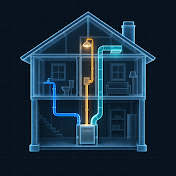
The Utility Room
1 подписчик
28 просмотров · 4 дн. назад
How home plumbing works, explained: a house has two water systems that must never be connected. The supply pushes clean water in under pressure, from a city tank set higher than the homes or from pumps, through the water meter, the main shut-off and, where street pressure runs high, a pressure-reducing valve. Many homes get roughly 40 to 80 psi; it varies by utility and by height, at about 0.433 psi per foot of water (static pressure). The drain-waste-vent system lets used water fall away by gravity through traps, sloped drains, the stack and the building sewer, while vents let air in so falling water doesn't siphon the traps' water seals. At a conventional sink, water crosses an air gap between the faucet and the rim; fixtures use air gaps or approved backflow-prevention devices, depending on their design, and drinking-water piping is never connected directly to drains or vents.
Also covered: how backsiphonage can pull dirty water into the supply; how a P-trap's water seal (2 to 4 inches deep in many codes) keeps sewer air out; what a typical gravity tank toilet does in a flush, and why it can keep running; EPA WaterSense's leak figures (page updated March 2026) and its meter and dye tests; what common symptoms can point to; lead service lines (EPA's November 2025 estimate of about 4 million mainly reflects a new method, and the federal replacement dates are as of October 2026); and the stop line. A rotten-egg smell can be sewer gas or natural gas: if it could be gas, leave right away, without touching switches, phones or anything that could spark; once safely away, call 911, and your gas utility if you know the number; stay out until they say it's safe. Codes vary by city and state.
Chapters
0:00 How home plumbing works
1:08 Where your water comes in
1:54 Water pressure, explained
2:42 Why supply and drains never connect
3:15 How drains, traps and vents work
4:48 Why a toilet keeps running
5:40 Plumbing symptoms and what you can check
Key sources
U.S. EPA, Cross-Connection Control Manual (2003): https://www.epa.gov/sites/default/fil...
U.S. EPA WaterSense, Fix a Leak Week (updated March 13, 2026): https://www.epa.gov/watersense/fix-le...
U.S. EPA WaterSense, Labeled Toilets fact sheet (May 2024): https://www.epa.gov/system/files/docu...
U.S. EPA, Basic Information about Lead in Drinking Water: https://www.epa.gov/ground-water-and-...
U.S. EPA, 2025 Update to the 7th DWINSA (lead service lines, Nov 2025): https://www.epa.gov/system/files/docu...
eCFR, 40 CFR 141.80 (Lead and Copper Rule Improvements), current to Oct 7, 2026: https://www.ecfr.gov/current/title-40...
USGS, Domestic (Private) Supply Wells: https://www.usgs.gov/mission-areas/wa...
U.S. EPA, About Septic Systems: https://www.epa.gov/septic/about-sept...
OSHA, Hydrogen Sulfide: https://www.osha.gov/hydrogen-sulfide
Pennsylvania Public Utility Commission, Gas Emergencies: https://www.puc.pa.gov/pipeline-safet...
HUD, Residential Rehabilitation Inspection Guide (2000): https://www.huduser.gov/publications/...
HUD, The Rehab Guide, Volume 8: HVAC/Plumbing (1999): https://www.huduser.gov/portal/sites/...
Louisiana State Plumbing Code, LAC 51:XIV (2015 edition; one state's code): https://ldh.la.gov/assets/oph/Center-...
City of Kerrville (TX), Sewer Odors in Your Home: https://kerrvilletx.gov/DocumentCente...
Portland Water Bureau, Water pressure and flow: https://www.portland.gov/water/drinki...
Education only. Gas, electrical, refrigerant and structural work belongs to a licensed professional. If you smell gas indoors, leave right away without using switches, phones or anything that could spark; once safely away, call 911, and your gas utility if you know the number.
#Plumbing #HomePlumbing #HowItWorks
