Drissa Kone Quartett (Bamako / Mali 2008) Jinafoli Kayes 3 (Sumalen)
Gerhard Kero
0:00 / 0:00
Drissa Kone Quartett (Bamako / Mali 2008) Jinafoli Kayes 3 (Sumalen)
793 просмотра · 4 г. назад
Gerhard Kero
694 подписчика
793 просмотра · 4 г. назад
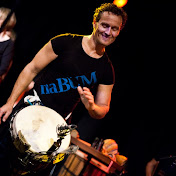
https://www.djembe.at Drissa Kone (bafo - first Djembe), Madou Jakite (Dundun), Sedou Balo (denfo - second Djembe), Antoine (Konkoni). Recorded in Bamako, January 2008 by Gerhard Kero & Ulli Sanou (beatfactory).
Jina, a loan word from Arabic (gin / just like the liquor ;-)), means "ghost" or "demon" in the languages of Mali. Such a Jina can cause mental and physical illnesses. After successful healing by a Karamogo (Maninka/Bamana: teacher, in this case actually a healer), initiation into the Jina cult organized as a club can take place: one puts oneself into a trance state while dancing in order to be possessed by the Jina. The role of the drummers is to summon the Jinas and get people to dance. The ceremonies are public, but only the possessed and their karamogos are allowed to dance. Healing can occur spontaneously during the ceremony or later. Jinas are considered ancient forms of existence, they are numerous and can see us, but we cannot see them. Those who do not give a Jina what it asks for lose autonomy and control over mind and body. Since the demon also speaks through the possessed, they can predict the future like an oracle and are therefore highly valued.
The ceremony begins with Jina 1, the club members begin to dance. This is followed by Jina 2. Those who want to dance must take a traditional medicine, have not had sex for several days, and make a material sacrifice. If someone falls into a trance while dancing, it means that the jina has arrived and is now speaking through that person, who after that has no memory of anything. Jina 3 is the last dance of the spiritual healing ceremony and is a very old Woloso (former slaves) rhythm. In the 1970s it became a popular youth rhythm and established itself as a festival rhythm under the term Sumalen (more precisely: Sumalen 2). Its name was given by children, who find it slow (Maninka: suma = slow). At first this led to confusion, since one and the same rhythm now served 2 genres: profane festival music and spiritual healing ceremony music.
Jina 3 Kayes differs a little bit from Jina 3 from Bamako in the djembe bafo (solo).
