One Simple Habit That Separates Wise Men From the Foolish — Machiavelli
Machiavelli Wise Mind
0:00 / 0:00
One Simple Habit That Separates Wise Men From the Foolish — Machiavelli
66 просмотров · 9 ч назад
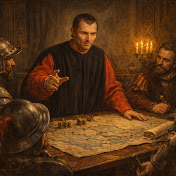
Machiavelli Wise Mind
377 подписчиков
66 просмотров · 9 ч назад
What separates a wise man from a foolish one?
It may not be intelligence, education, status, or experience. It may be something much simpler: the ability to pause before reacting.
In this Machiavellian exploration of human behavior, we examine how emotional control, observation, patience, and deliberate action can change the way you handle conflict, manipulation, disrespect, pressure, and uncertainty.
The foolish man reacts immediately. The wise man creates a space between what happens and what he chooses to do.
Points of the Script
• Why your first reaction can become your greatest weakness
• The simple habit that makes you harder to manipulate
• Why wise men pause before speaking or acting
• How to recognize what someone actually wants from your reaction
• The three questions to ask before responding
• Why emotion is information, but should not automatically become a command
• How silence can reveal more than confrontation
• Why allowing people to keep talking can expose their intentions
• The difference between reacting to events and understanding them
• Why predictable emotional reactions give other people leverage
• How patience creates room for better decisions
• Why you do not need to answer every insult or accusation
• How to stop letting other people's emotional speed control your own
• Why choosing your battles is a sign of wisdom rather than weakness
• How to become calmer, less predictable, and more difficult to manipulate
• The importance of thinking about long-term consequences instead of immediate emotional satisfaction
• Why the pause between emotion and action is where judgment begins
The Core Lesson
You cannot always control what people say or do.
But you can control what happens next.
When you pause before reacting, you create time to observe. When you observe, you gain information. When you gain information, you gain choices.
And when you have choices, you are much harder to control.
The affirmation from this video is:
*“I pause before I act. I control my reactions, and I choose my response.”*
Resources & References
The script is inspired by themes and ideas found in the political philosophy of Niccolò Machiavelli, particularly his examination of human behavior, judgment, power, leadership, prudence, conflict, and political strategy.
Primary reference:
• **Niccolò Machiavelli — *The Prince***, originally written in 1513. Project Gutenberg provides a freely accessible English edition.
• **Niccolò Machiavelli — *Discourses on the First Decade of Titus Livius***, Machiavelli's broader examination of history, political behavior, civic life, power, and the lessons that can be drawn from historical events.
• **Harvey C. Mansfield & Nathan Tarcov, translation — *Discourses on Livy***, University of Chicago Press, 1998, used as an additional scholarly reference for Machiavelli's political thought.
These sources provide historical and philosophical inspiration. The modern psychological framing, examples, and practical self-mastery advice in this video are original adaptations created for educational and motivational purposes.
Disclaimer
This video is for educational, philosophical, and entertainment purposes only. It is an original modern interpretation inspired by themes associated with Niccolò Machiavelli and is not a direct representation of Machiavelli's exact teachings or historical intentions.
The psychological concepts discussed are presented for general self-reflection and should not be considered professional psychological, medical, legal, or therapeutic advice.
Machiavelli's works are historical texts, and the ideas presented in this video have been adapted to fit a modern audience interested in self-mastery, emotional discipline, strategic thinking, and human behavior.
