Islam Mein Niyyat Ki Ehmiyat
Kamil Mbnr
0:00 / 0:00
Islam Mein Niyyat Ki Ehmiyat
48 просмотров · 1 день назад
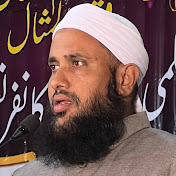
Kamil Mbnr
2,97 тыс. подписчиков
48 просмотров · 1 день назад
The video is an Islamic religious sermon centered on the paramount importance of intention (Niyyah) and sincerity (Ikhlas) in Islam.
Key Themes and Teachings
The Core Topic — Importance of Intention [01:07]:
The speaker explains that humans commit both good and bad deeds. While abstaining from evil is mandatory, performing good deeds requires a pure intention; without it, virtuous deeds lose their reward and become wasted through ostentation, vanity, and showing off (Riya).
Creator Looks at the Heart, Not the Appearance [05:09]:
Citing prophetic teachings, the speaker emphasizes that people judge others based on external appearance, dress, and outward actions, but Allah looks solely at the heart and the underlying intentions.
Types of Actions and Intentions [06:33]:
Mandatory Intention: Major obligations like Salah, fasting, Zakat, and Hajj cannot be valid without prior intention.
Habitual and Everyday Acts: Daily actions (such as removing obstacles from a walkway [07:59], applying perfume, or following the Sunnah of eating) can be transformed into rewarding worship simply by attaching a sincere intention to them.
Consequences of Ostentation (Riya) [09:49]:
Referring to the Hadith on showing off, the speaker points out an insightful commentary by his teacher, Shaykh al-Hadith Maulana Muhammad Khwaja Sharif: those who perform good deeds for fame or display are eventually exposed by Allah in this world as hypocrites in the hearts of others.
Impact of Pure vs. Evil Intentions [14:50]:
Referencing Hazrat Junaid Baghdadi: one act done with pure intention opens the door to 70 additional virtues, whereas an act done with evil motives opens doors to disgrace and humiliation.
The speaker shares the story of a man from past nations who wished a mound of sand were flour so he could donate it all to the poor; Allah rewarded him simply for the sincerity of his wish [13:52].
Levels of Worship (Hazrat Maruf Karkhi) [19:19]:
Performing good deeds purely for reward is the mindset of a merchant.
Worshipping out of fear of Hell and hope for Paradise is the mindset of a servant.
The highest and most noble level is worshipping solely for the pleasure and love of Allah (Rida). If Allah is pleased, everything else follows.
Key Parables and Lessons [26:43]:
Muhammad ibn Wasi: He desired roasted liver for a long time and contemplated joining Jihad partly because the spoils might allow him to buy it; a dream warned him that holy actions must never be mixed with worldly desires [27:33].
The Worshipper of the Umayyad Mosque of Damascus: A man spent years worshipping conspicuously hoping to be appointed trustee of the mosque, but was ignored. When he abandoned worldly ambition and worshipped strictly for Allah, the position was offered to him, which he then turned down [31:03].
