Nor'easter hammers Hampton Roads: The Science of Coastal Flooding #CoastalFlooding #VAwx #TidalTrap
Leslie Hudson
0:00 / 0:00
Nor'easter hammers Hampton Roads: The Science of Coastal Flooding #CoastalFlooding #VAwx #TidalTrap
533 просмотра · 3 недели назад
Leslie Hudson
138 подписчиков
533 просмотра · 3 недели назад
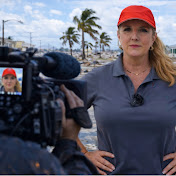
A storm doesn’t need a tropical name or a direct landfall to leave a major coastal footprint. When a developing Nor'easter parked off the Mid-Atlantic coast for four days, Hampton Roads experienced how an offshore, wind-driven event quickly transforms into severe inland flooding.
In this report, we break down the meteorology behind the flooding across Norfolk and Virginia Beach:
• Tidal Trapping Explained: How persistent northeast winds pushed Atlantic water into the lower Chesapeake Bay and its tidal rivers faster than it could drain—forcing back-to-back high tides to stack on top of each other.
• Coastal & Urban Impacts: 8-to-12-foot waves along the Virginia Beach oceanfront, storm surge approaching 3 feet at Sewells Point, and 1 to 2 feet of water covering parts of downtown Norfolk.
• Compounding Rainfall: How 2 to 3 inches of rain added runoff to waterways that were already backed up by high tides.
🔔 Subscribe for more in-depth weather breakdowns, flood science, and coastal storm analysis: [Channel Link]
#LeslieHudson #HamptonRoads #NorfolkVA #VirginiaBeach #Noreaster #CoastalFlooding #TidalTrapping #VAwx
