Concerto for Alto Saxophone and Concert Band by Karel Husa
Michael Rene Torres
0:00 / 0:00
Concerto for Alto Saxophone and Concert Band by Karel Husa
134 просмотра · 4 месяца назад
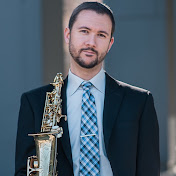
Michael Rene Torres
90 подписчиков
134 просмотра · 4 месяца назад
Concerto for Alto Saxophone and Concert Band by Karel Husa performed by saxophonist, Michael Rene Torres. Live performance during the 2026 North American Saxophone Alliance Biennial Conference held at The Ohio State University.
Michael Rene Torres, saxophone
Russel C. Mikkelson, conductor
The Ohio State University Wind Symphony
Mershon Auditorium
Friday, March 13, 2026
00:02 (1) Prologue
04:47 (2) Ostinato
12:52 (3) Epilogue
Program notes by Michael Rene Torres for the performance:
"As I prepare to perform the Concerto for Alto Saxophone and Concert Band by Karel Husa this week during the national saxophone conference, I have meditated and reflected on what exactly I am trying to say artistically with this music. My students, also, have asked me about the work and its meaning so I’ve considered how to answer this for some time now. While this music, perhaps, has no known overt meaning beyond Husa’s expressions of abstraction with sound and silence, it is sometimes considered a test piece for his most known work, “Music for Prague” which was written only one year after the Concerto. In the Concerto can be heard Husa’s explorations of both compositional techniques and textures that are referenced throughout “Music for Prague.” As such, this gives us a clue as to where his mental energy was as he tested ideas in the Concerto. And this is often where most discussions of this work end - as the test piece. I find this all too common conclusion totally unsatisfying - diminutive, even. This music stands on its own as a powerful and unique statement. The deeply gestural nature of the phrases within the Concerto’s first movement create a sense of motion that is reminiscent of the action painting of abstract expressionist, Franz Klein. Just as Klein’s massive works - practiced and controlled as they were - seem whimsical and geometrically improvisatory, Husa, too, feels recitative-like in between the grand sonic statements of the first movement. Later, the intensity of the fanfare-like statements along with dramatic strokes of pointillistic fervor create an unyielding relentlessness of energy in the second movement that feels akin to the juxtaposition of chaos and order found in the unflinching paintings of artist Jackson Pollock. Like Pollocks’s frenetic work, there is a shared sense of physicality in Husa’s second movement, propelled by meter-bending rhythmic ostinato. Most of all, Husa weaves color through his masterfully orchestrated textures. This is most evident in the third movement, with its timbral exploration and its drone-like fixation while the saxophone explores the nuance around the color with subtle shapes and dramatic sweeping lines. This epilogue, to me, feels like staring into the vastness of space, not unlike the encompassing phenomenon felt while being engulfed by the warm tone and texture of an imposing Mark Rothko painting. Karel Husa’s compositional voice is one of visceral extremes and relentless searching. His harmonic language, while outwardly atonal, has magnetic attractions to tonic-like focal points so poignant that they pull, not just the ears, but the imagination, creating raw narratives understood, perhaps not at the surface, but certainly at a deeper, more primal level of awareness. This music is pensive and introspective, demanding reflection and asking questions but offering no answers, yet easily tapping into the more complex emotional spectrum as if Husa wasn’t using pitch material at all, but rather sound itself to express gluteal vocalizations of profound feelings that seem horrifyingly familiar in times such as these. This is not an expression of some classic physique of a work seeking an idealist notion of beauty perceived both immediately and comfortably. No, this is a beauty tempered through a raw human authenticity - that is to say an honest reflection of humanity of which classic beauty, as we casually perceive the idea, is only one aspect of many. Indeed this music reminds us that the very sounds that tell the story of humanity are just as much bombs and explosions as they are expressions of love. This music, in three compelling movements, is a haunting evocation that reminds me of the hard truth that human dignity must sometimes fight human nature. It is a statement of defiance. It is a challenge to power. And it ends with quiet concern in an uncertain time." - Michael Rene Torres (03/09/26)
