"Their ship CRASHED, and then one of them became a CANNIBAL"
Bakugan
0:00 / 0:00
"Their ship CRASHED, and then one of them became a CANNIBAL"
1 256 просмотров · 3 недели назад
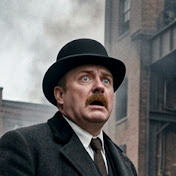
Bakugan
18 подписчиков
1 256 просмотров · 3 недели назад
They survived one of the most terrifying shipwrecks of the seventeenth century.
But the ocean was not the greatest danger waiting for them.
On June 4, 1629, the Dutch East India Company ship Batavia struck Morning Reef near the Houtman Abrolhos Islands off the coast of Western Australia. Hundreds of passengers, sailors, soldiers, women, and children escaped the wreck and reached a group of small, barren islands.
There was almost no fresh water, very little food, and no way to know whether rescue would ever arrive.
Then the man left in control decided to create his own kingdom.
Jeronimus Cornelisz separated the survivors, removed the soldiers most likely to resist him, gathered a group of loyal followers, and began eliminating anyone he considered unnecessary or dangerous. More than 100 shipwreck survivors were eventually murdered by the mutineers.
But Cornelisz made one critical mistake.
The soldiers he had sent away did not die. Led by Wiebbe Hayes, they found fresh water, built a crude stone fort, armed themselves with improvised weapons, and prepared to resist.
While one group of survivors fought against Cornelisz, Batavia’s commander Francisco Pelsaert was making an extraordinary open-boat journey to Java in search of help.
This is not simply a story about a shipwreck.
It is a story about manipulation, fear, loyalty, resistance, and what can happen when normal authority disappears and the worst possible person takes control.
How did one survivor persuade ordinary men to become killers?
Why did so many people obey him?
And would any of us recognize someone like Cornelisz before it was already too late?
Watch until the end and tell me in the comments:
Do extreme situations turn people into monsters—or do they simply reveal what was already there?
Subscribe for more disturbing, unbelievable, and thought-provoking stories from history, told through personal analysis rather than a simple list of dates and names.
VISUAL DISCLAIMER:
Some visuals in this video are AI-generated historical dramatizations created for educational and storytelling purposes. They are not authentic photographs of every individual or event depicted. Violent events are presented without graphic imagery.
SOURCES CONSULTED:
• Western Australian Museum — Batavia’s History, 1628–1963
• Western Australian Museum — Batavia 1629 National Heritage Listed Place Guide
• Western Australian Museum Maritime Archaeology Database — Batavia
• Australian National Maritime Museum — The Batavia Shipwreck Disaster
• Francisco Pelsaert — The Unlucky Voyage of the Ship Batavia
• Mike Dash — Batavia’s Graveyard
• Henrietta Drake-Brockman — Voyage to Disaster
#Batavia #Shipwreck #DarkHistory
