"Khan Variations" by Alejandro Viñao
Francisco Perez
0:00 / 0:00
"Khan Variations" by Alejandro Viñao
1 264 просмотра · 10 лет назад
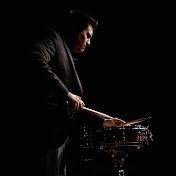
Francisco Perez
652 подписчика
1 264 просмотра · 10 лет назад
Performed by Francisco Perez at the University of Kentucky.
www.perezperc.com
_
Born in Buenos Aires, Argentina, Alejandro Viñao has played a key role in the expansion of percussion music over the past few decades. Trained as a composer at the Royal College of Music and City University of London, he has written works for a wide variety of artists and ensembles across the globe that all seem to highlight his compositional forefront – a pulse-rhythmic structure. For this reason, Khan Variations and many of his other works for percussion, such as Water and Arabesco Infinito, present a fresher avenue for ideas through time-based tension and relaxation rather than the more prominent practice of melody and harmony. Viñao has written the following:
“For some years, I have listened to the Pakistani singer Nusrat Fateh Ali Khan - he was perhaps the greatest exponent of Qawwali, the music of the Sufi mystics. This music in general, and Ali Khan’s singing in particular, are characterized by remarkable rhythmic and melismatic subtlety. The Khan Variations are a set of eight rhythmic variations based on a traditional theme from Qawwali music as sang by Ali Khan. The basic pulse and ‘feel’ of the music has lingered in my mind ever since I first heard the recording in the early 90s. I developed each of the eight variations exploring a different rhythmic and melodic aspect of the original theme. However, from the harmonic point of view the piece is rather static, respecting the lack of harmony – in the western sense – of the original traditional theme. As I look at the score now, I can recognize a range of influences from Conlon Nancarrow, tango music, and my own previous pieces for marimba. All these influences have one thing in common: the articulation of pulse, or multiple simultaneous pulses to create a dramatic musical discourse.”
