"Stop Chasing Numbers: Build a Band Kids Want to Join"
Lesley Moffat
0:00 / 0:00
"Stop Chasing Numbers: Build a Band Kids Want to Join"
3 просмотра · 1 день назад
Lesley Moffat
98 подписчиков
3 просмотра · 1 день назад
What if your best recruiting strategy isn't another presentation, instrument night, or spring recruiting event?
What if it's the students already sitting in your band room?
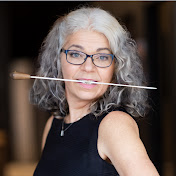
In this episode of Band Director Boot Camp, Lesley Moffat talks with music educator Aron Kontorovich about approaching recruitment and retention differently: instead of constantly chasing numbers, create an experience students want to stay in and tell their friends about.
Drawing from his experience in private music instruction, school music programs, student government, and community ensembles, Aron brings a customer-service and marketing mindset to music education without making it feel "salesy."
At the center of his approach is a simple equation: student buy-in + feeling successful = retention.
When students have some agency in their learning, feel seen by their teacher, understand their next step, and regularly leave rehearsal feeling successful, they're far more likely to keep coming back.
And those happy students become some of your most effective recruiters.
Lesley and Aron discuss why recruiting isn't something that happens once a year. It's happening every day through the experience students have in rehearsal, what they say about the program in the hallways, the friends they invite into the band room, the stories families tell, and the way your program shows up in the community.
Instead of focusing first on the students you don't have, start by pouring into the students already in front of you.
They also explore practical ways to make that happen, including giving students language to talk about why they enjoy band, emphasizing what prospective students get to experience instead of leading with requirements, giving students meaningful leadership and ownership, and helping each student develop as an individual musician rather than seeing them only as one part of the ensemble.
Aron also challenges directors to think about something that isn't always included in music education training: marketing and branding.
What does your program stand for? What do you want students and families to say about it? Does your online presence actually show people what they're missing? And are you communicating the opportunities and benefits of participating, or assuming everyone already understands them?
You don't have to do all of that yourself, either. Students and parents can help manage social media and spread the story of your program.
The goal isn't explosive enrollment growth for one semester. It's creating a strong culture that produces steady, sustainable growth.
Because when you build systems that naturally attract and retain students, you can spend less time rebuilding your program every year and more time doing what you became a music educator to do in the first place: make music with your students.
