Why Pakistan Keeps Failing? | Politicians, Dictators, or the System Itself? | 25 IMF Cycles
Haque Economics
0:00 / 0:00
Why Pakistan Keeps Failing? | Politicians, Dictators, or the System Itself? | 25 IMF Cycles
3 581 просмотр · 11 ч назад
Haque Economics
8,17 тыс. подписчиков
3 581 просмотр · 11 ч назад
Why has Pakistan struggled to build strong democratic institutions, reform its political parties, and achieve lasting economic stability?
From military interventions and dynastic politics to weak parliamentary institutions, abandoned local governments, and repeated IMF programmes, the conversation explores a fundamental question: why does Pakistan keep returning to the same political and economic crises?
The discussion examines how political rivalries have weakened democratic institutions, why political parties struggle to reform themselves, and how a centralized, colonial-era administrative structure continues to shape governance. It also questions why elected representatives often retain power at the centre rather than strengthen local government and why citizens frequently depend on personal connections and favours instead of demanding reliable public services and equal rights.
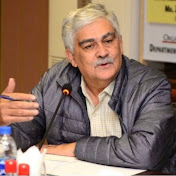
In this episode of SIA Conversations, hosted by Dr. Nadeem Ul Haque, Leading Economist, Author and Academic, former Deputy Chairman of Pakistan's Planning Commission. Engr. Khurram Dastgir Khan, former federal minister and parliamentarian, joins the discussion to examine Pakistan's political history, governance failures, and the reforms the country continues to postpone.
Key questions explored in this conversation:
• Why has Pakistan struggled to establish durable democratic institutions?
• How have political rivalries and military interventions shaped the country's political history?
• Why do dynastic politics and weak internal party democracy persist?
• What do repeated IMF programmes reveal about Pakistan's unresolved economic challenges?
• Why are parliamentary institutions struggling to deliver effective legislation and long-term policy?
• Why do political parties resist meaningful devolution to local governments?
• How does the colonial administrative legacy influence today's governance?
• Why does political patronage often replace citizens' rights and public service delivery?
• What can Pakistan learn from the Federalist Papers, institutional reform, and other democratic systems?
• What reforms could make parliament, political parties, and local governments more accountable?
This is a conversation about more than individual leaders or political parties. It is about the institutions, incentives, and public expectations that shape Pakistan's future.
___________________________________________
#SIAConversations #PakistanPolitics #PakistanEconomy #Governance #PoliticalReforms #NadeemUlHaque #KhurramDastgir #PMLN #PPP #PTI #GovernorRule #Democracy #Dictatorship
_____________________________________________
Why Pakistan Struggles to Reform
Pakistan's Political History and the Military-Civilian Divide
Why Political Parties Cannot Reform Themselves
Dynastic Politics and the Crisis of Party Democracy
The IMF Cycle: Why Economic Crises Keep Returning
Why Parliament Struggles to Make Lasting Policy
0The Missing Link: Local Government and Devolution
The Colonial Bureaucracy and Executive Power
Patronage, Public Rights, and the Citizen's Role
What Pakistan Can Learn from the Federalist Papers
Which Reforms Should Come First?
