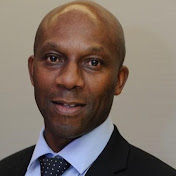
REACH SOCIETY RECOGNITION AWARDS...with DR DWAIN NEL, OBE, CHairman
CONNECTIVITY RESOURCES
0:00 / 0:00
REACH SOCIETY RECOGNITION AWARDS...with DR DWAIN NEL, OBE, CHairman
61 просмотр · 2 недели назад
CONNECTIVITY RESOURCES
430 подписчиков
61 просмотр · 2 недели назад
The REACH Society Recognition Awards provide an opportunity to celebrate the extraordinary legacy of the late Professor Sir Jeff Palmer, while also recognising the many people who continue to contribute to the strength and development of our communities.
What came through strongly in this conversation is that recognition matters because young people need to see what is possible within their own community. They need to see achievement, education, professional expertise, enterprise, service and contribution made visible, not simply as stories of success, but as pathways they can follow.
Our communities cannot afford to wait for somebody else to provide the encouragement, inspiration, skills and capacity that our young people need. Parents are the first mentors. Professionals have skills that are portable across the private, public and third sectors. Volunteers, businesses and community organisations all have something to contribute.
When these capabilities are connected, recognition becomes more than an award. It becomes a mechanism for knowledge sharing, mentorship, community capacity and intergenerational development.
The story of Sir Geoff Palmer demonstrates what can happen when exceptional knowledge and expertise are developed and applied: an innovation that began in one place can ultimately have global impact.
There are many people whose contributions may never receive a spotlight, but whose commitment is helping others to progress. Their motivation cannot depend upon recognition. It comes from understanding why their contribution matters.
That is why initiatives such as the REACH Society Recognition Awards are important. They shine a light on achievement, but they also challenge us to ask what we can do with our own knowledge, experience, skills and networks.
As we look towards Windrush 80, perhaps the ambition should be even greater: more mentors, more stories, more professional engagement, more community capacity — and more young people able to see themselves in the achievements of those who came before them.
