IMF Save Us or Hurt Us? I Who Pays For Pakistan’s Stability? I SIA Conversations
Haque Economics
0:00 / 0:00
IMF Save Us or Hurt Us? I Who Pays For Pakistan’s Stability? I SIA Conversations
4 683 просмотра · 10 месяцев назад
Haque Economics
7,81 тыс. подписчиков
4 683 просмотра · 10 месяцев назад
Why Pakistan Keeps Going Back to the IMF?
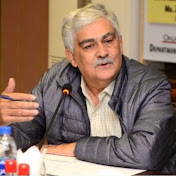
In this episode of SIA Conversations Dr. Nadeem ul Haque hosts a high-stakes roundtable on Pakistan’s economic crossroads. Joining him are Nohman Ishtiaq, Ammara Durrani, Asad Ali Shah and Shazia Ghani — each bringing field expertise on IMF programs, fiscal policy, trade data and long-term growth strategy.
We begin by interrogating recent PBS GDP and trade releases and move into a hard-nosed debate about the costs and benefits of IMF stabilization: who pays for macro stability, and who benefits from growth? The panel argues that Pakistan’s real failure is not liquidity but a chronic lack of productivity, clear demand-side bargaining in negotiations, and an implementation gap inside its institutions.
Highlights:
Why the latest GDP and industrial numbers may not tell the full story.
How IMF programs stabilize balance sheets — but at what social cost?
The difference between a supply vs demand agenda when negotiating with donors.
Why export-led growth requires tax, regulatory and institutional changes — not just austerity.
Concrete policy levers for Washington talks: what to press for, and what to avoid.
Follow & Read
Host: Dr. Nadeem ul Haque — Director, SIA.
Panel: Nohman Ishtiaq, Ammara Durrani, Asad Ali Shah, Shazia Ghani.
Support our work: If you find our analysis useful, consider subscribing and sharing these episodes with peer networks.
#Pakistan
#Economy
#IMF
#Debt
#Growth
#Policy
#Reform
#Privatization
#Exports
#Data
#Fiscal
#Governance
#Investment
#Taxation
#Productivity
#Development
#Trade
#Stability
#Jobs
#crisis
0:00 Intro — Cameras On & Agenda
2:10 Opening Remarks by Dr. Nadeem ul Haque
5:00 PBS Data & GDP: Credibility Issues
12:30 IMF Program Overview — What’s Been Done?
22:00 Impact of IMF on Poverty and Jobs
30:00 Demand Agenda vs Supply Agenda (Ammara)
36:00 Export-Led Growth: Taxation & Competitiveness
43:30 IMF Exit — Policy Gaps & Energy Tariffs
50:00 Privatization, Health & Education Debate
