Rutland Island is one of the most vital, untouched coral reef ecosystems in thePortblairarchipelago.
Nizam Uddin
0:00 / 0:00
Rutland Island is one of the most vital, untouched coral reef ecosystems in thePortblairarchipelago.
77 просмотров · 7 дн. назад
Nizam Uddin
100 подписчиков
77 просмотров · 7 дн. назад
Rutland Island in the South Andaman district is home to one of the most vital, untouched coral reef ecosystems in the Andaman and Nicobar archipelago. Spanning roughly 20 square kilometers of pristine coral reefs, its waters host 331 distinct species of scleractinian (hard) corals. Part of the island's marine boundary is strictly protected under the Mahatma Gandhi Marine National Park.
Coral Diversity & Marine Ecosystem
• Dominant Coral Families: Hard corals from the Acroporidae (staghorn and table corals) and Faviidae (brain corals) families make up more than 51% of the documented coral species.
Unlike other regions, Rutland features long, continuous shallow coral belts that blend massive colonies of hard corals with vibrant purple soft corals and tall, flowing gorgonian sea fans.
• Symbiotic Marine Life: These healthy reefs directly support a diverse aquatic community, including sea turtles (green and hawksbill), pipefishes, giant eagle rays, sea cucumbers, and dense schools of colorful reef fish.
Top Underwater Exploration Spots
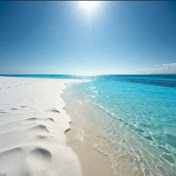
• Jahaji Beach & Bada Balu: Highly popular areas featuring very shallow, clear waters that make it exceptionally easy to see the brilliant coral reef colors shining directly through a snorkel mask.
• Manner Strait: Located on the shallow fringes of the island, this strait features luxury seaweed beds interspersed with rare, fragile coral formations.
• Parrot’s Rock (Chidiya Tapu Channel): A nearby sub-surface rock ridge sloping from 5 to 20 meters deep. It provides intermediate and advanced divers with an exhilarating drift dive over dense colonies of purple soft corals.
Underwater corals are fascinating marine ecosystems found in warm, shallow oceans and seas. Coral reefs are formed by tiny marine animals called coral polyps, which live together in large colonies. They create colourful underwater habitats that support a wide variety of marine life, including tropical fish, sea turtles, crabs, starfish and many other organisms.
Coral reefs are often called the “rainforests of the sea” because of their rich biodiversity. They also help protect coastlines from waves and storms and provide food, shelter and breeding grounds for countless marine species. Despite their beauty and importance, corals are vulnerable to climate change, rising sea temperatures, pollution and other human activities.
A vibrant underwater world where colourful corals and marine life come together to create one of nature’s most beautiful ecosystems.
