Johannes Ockeghem (attr.) / Harrison Birtwistle (1969, arr.) - Ut heremita solus
Un petit abreuvoir
0:00 / 0:00
Johannes Ockeghem (attr.) / Harrison Birtwistle (1969, arr.) - Ut heremita solus
1 881 просмотр · 1 год назад
Un petit abreuvoir
9,16 тыс. подписчиков
1 881 просмотр · 1 год назад
Ut heremita solus [instrumental motet]
0:00 Ockeghem (attribution) - Ut heremita solus (Fretwork)
8:22 Ockeghem (attribution) - Ut heremita solus (Ensemble Nusmido)
20:29 Birtwistle - Ut heremita solus [arranged for chamber ensemble] (ensemble recherche)
_______________________________________________________
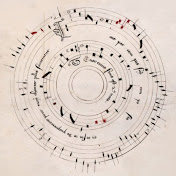
"What sparkling inventiveness and expert subtlety lies in Ut heremita solus, Ockeghem's reply to In hydraulis: The hermit (heremita) is a reference to St Anthony, Busnoys's patron saint. The first phrase in the top voice of Ut heremita solus is a discreet quote taken from the beginning of the second part of In hydraulis. The cantus firmus melody, also played on the bells, is a highly encrypted riddle canon that was only recently deciphered in its entirety. On the one hand we are dealing with highly intellectual music whose understanding requires a high degree of expertise; on the other, it is also music for the senses that is immediately accessible."
~Martin Erhardt
Source: CD booklet (Ensemble Nusmido)
"In his 1969 arrangement of Ut heremita solus, Harrison Birtwistle made use of the ahistorical SpaItklang (the highly differentiated sonority resulting from the simultaneous use of contrasting timbres) of the setting for winds and strings as well as the neusachlich function of the piano, which adds a structurally "objectifying" element to the sensuousness of the original vocal setting. The four-voice motet, which is attributed to Johannes Ockeghem (c 1410-1497), was handed down by the Venetian music publisher, Ottaviano Petrucci, in his third collection of motets dating from 1504, in which he resolved the cantus firmus in the tenor, which was originally encoded with single notes and letters. "Like a monk I wait alone for my transformation" - it was this text of the cantus firmus in particular that inspired Birtwistle to arrange it. As he writes in his foreword to the score, "The text is symbolized in the music by the separation of the tenor, or held part, from the free upper and lower voices. The mutation for which the hermitic tenor is waiting consists of a change of hexachord and also of a rhythmic diminution in the second half of the piece." Birtwistle orchestrated the tension between the long tenor notes and their highly embellished paraphrases with a feeling for arches, proportions, and points; the glockenspiel provides "monastic accents" with echoes of calls to the hourly prayers. The "mutation" referred to and acceleration through diminution of the rhythmic values begins at bar 134."
~Michael Struck-Schloen (translated by Phyllis Anderson)
Source: CD booklet (ensemble recherche)
_______________________________________________________
For education, promotion and entertainment purposes only. If you have any copyrights issue, please write to unpetitabreuvoir(at)gmail.com and I will delete this video.
