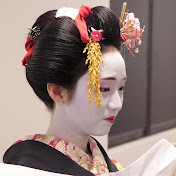
〈Tokyo Geisha 〉半玉(舞妓)のくるみさんのかんざし付け Красивая девушка, как японская кукла 日本娃娃的可愛女孩
〈Tokyo Geisha〉芸者さんが好きになる
0:00 / 0:00
〈Tokyo Geisha 〉半玉(舞妓)のくるみさんのかんざし付け Красивая девушка, как японская кукла 日本娃娃的可愛女孩
118 792 просмотра · 8 лет назад
〈Tokyo Geisha〉芸者さんが好きになる
33,4 тыс. подписчиков
118 792 просмотра · 8 лет назад
半玉(舞妓)さんのうちは、つけられるかんざし全てを付けて、かわいらしく、華やかにします。舞妓(半玉)さんならではの華やかさです。
芸者になると、かんざしの数が減ってしまうので、くるみさんのこの姿はあと数年。
※関西では「舞妓」で、関東では「半玉」と言います。
In the period of Hangyoku (Maiko), she can add a lot of 簪(kanzashi) to her hair and make it cute and gorgeous.
When becoming a geisha, the number of 簪 is reduced, so this figure of Kurumi is only a few years.
Hangyoku refers to a woman of several years after becoming a geisha.It is the same meaning as Maiko.
Basically they are teens.
初めてのお座敷遊びは八王子花街で!
八王子花街は、お客さんと芸者衆の距離が近く、アットホームな雰囲気なのが特徴。芸者衆を呼ぶためのお花代もリーズナブル。
まずは、芸者衆の取り次ぎや送迎を行う昔ながらの見番(けんばん)で予約を。見番は、置屋から茶屋や料亭などに芸者衆を呼んでくれるだけでなく、予算に応じた遊び方の提案もしてくれるので、お座敷遊び初心者の強い味方になります。
気軽に芸者衆に出会いたいなら、イベントに足を運ぶのもひとつ。髙尾山薬王院で行われる『節分会』や毎年8月に行われる『八王子まつり』などでも、芸者衆たちの華麗な姿を見ることができます。
<問い合わせ・芸者派遣依頼など>
八王子三業組合(見番)
TEL042-622-5191
Hachioji Flower town district is close to the guests and the geisha people, characterized at home.
They are reasonable for calling the geisha.
First of all, make an appointment with a Kenban to intercede and transfer the Geisha.
Kenban not only calls the geisha to the tea house and the restaurant , but also makes suggestions on how to play according to the budget, so it becomes a strong friend of the Ozashiki play beginner.
If you would like to see the geisha casually, you should go to the event. You can see the brilliant appearance of the geisha even at the "Setsubunkai" held at Takayama Yakuin and the "Hachioji Festival" held every August.
Kenban's number :TEL042-622-5191
(they speak japanese only)
<from JAPAN TIMES>
In the years between the Meiji and early Showa eras, Hachioji thrived on its textile industry. And as the city flourished, so too did its Nakacho geisha district, with more than 200 female entertainers operating in the neighborhood at its peak.
After World War II, however, women increasingly stopped wearing kimono and began dressing in Western-style clothing.
Hachioji’s geisha population faced certain extinction, with only 10 entertainers working in the industry in 1999, writes Asahara in “Geishashu ni Hanataba O: Hachioji Karyukai, Fukkatsu” (“Flowers for Geisha: The Revitalization of Hachioji’s Geisha District”), which was published by Fuuseisha Corp. in June this year.
Megumi opened her own okiya boarding house for geisha in 2001, the first such establishment to open in Hachioji in 20 years. Three geisha at the lodging have since gone on to open their own boarding houses and in the 18 years since Megumi first put up the advertisement, Hachioji has seen its geisha population almost double. And last year, for the first time in more than half a century, a hangyoku apprentice called Kurumi made her.
