Nobody Expected THIS Release!
Unusual stuff
0:00 / 0:00
Nobody Expected THIS Release!
31 538 просмотров · 12 дн. назад
Unusual stuff
232 тыс. подписчиков
31 538 просмотров · 12 дн. назад
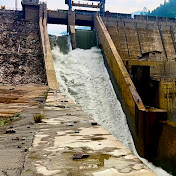
Massive Sediment Release from a Run-of-River Dam :
Run-of-river hydropower dams experience enormous sediment transportation annually, particularly during high-flow and flood seasons, when rivers carry significant quantities of silt, sand, gravel, and other debris into the reservoir.
When radial spillway gates remain closed for extended periods, these sediments gradually accumulate upstream of the gates, forming thick deposits that can significantly affect reservoir storage capacity, hydraulic efficiency, and overall dam performance.
When the gates are finally opened, the accumulated sediments are suddenly mobilized and flushed downstream, creating a spectacular, explosive-looking discharge of mud and sediment-laden water.
Why is regular sediment flushing essential?
1. Removes accumulated sediments and helps preserve effective reservoir storage capacity.
2. Maintains proper water flow towards the power intake.
3. Reduces sediment entry into turbines, minimizing abrasive wear, erosion, and potential damage to turbine components.
4. Helps prevent excessive sediment accumulation around spillway gates and intake structures.
Supports efficient turbine operation and reliable electricity generation.
5. Improves the long-term operational efficiency and sustainability of the hydropower project.
Sediment management is particularly important for run-of-river hydropower plants because their relatively limited reservoir storage makes them more vulnerable to rapid sediment accumulation.
Regular and carefully controlled sediment flushing, especially during high-flow periods, is essential for protecting hydraulic structures, maintaining reservoir performance, and ensuring sustainable power generation.
#DamGateOpening #SedimentExplosion #EngineeringPower
