The Disturbing Story of America's Most Beautiful Ruin: Bryce State Hospital
Burner Documentaries
0:00 / 0:00
The Disturbing Story of America's Most Beautiful Ruin: Bryce State Hospital
1 038 просмотров · 1 месяц назад
Burner Documentaries
115 подписчиков
1 038 просмотров · 1 месяц назад
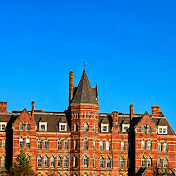
Bryce State Hospital is often called one of the most beautiful abandoned psychiatric hospitals in America, but behind its elegant architecture lies a history filled with hope, hardship, and human tragedy. Founded in 1861 in Tuscaloosa, Alabama, the institution was created during a period when mental illness was beginning to be viewed as a condition deserving treatment rather than punishment. Its grand Italianate buildings, expansive grounds, and emphasis on fresh air and therapeutic surroundings reflected the progressive ideals of the time. For decades, Bryce stood as a symbol of innovation in psychiatric care. Yet as patient populations exploded and resources failed to keep pace, the hospital's inspiring vision slowly gave way to overcrowding, neglect, and controversy.
In this video, we explore the complete history of Bryce State Hospital, from its ambitious beginnings through its rise as one of the South's most influential psychiatric institutions. Learn how the hospital expanded over the decades to care for thousands of patients from across Alabama, becoming a self-contained community with farms, workshops, chapels, and residential wards. We examine the daily lives of patients and staff, the changing philosophies of mental health treatment, and the challenges that emerged as the institution struggled to balance compassionate care with overwhelming demand. Through historical records, photographs, and firsthand accounts, we uncover what life was truly like inside Bryce during its more than 150 years of operation.
Like many state hospitals across America, Bryce experienced periods of severe overcrowding that strained every aspect of patient care. By the mid-twentieth century, the hospital housed far more patients than it had been designed to accommodate, leaving doctors, nurses, and attendants responsible for caring for hundreds of people with limited staff and resources. Treatments evolved alongside medical knowledge, ranging from occupational therapy and recreation programs to more controversial procedures that reflected the psychiatric practices of their time. While many patients benefited from dedicated caregivers, others endured conditions that would later become the subject of public criticism and legal scrutiny.
Bryce also played a significant role in the history of mental health reform. During the 1970s, a landmark federal lawsuit challenged conditions within Alabama's psychiatric institutions, leading to sweeping changes in the way mental health services were delivered throughout the state. The case drew national attention to patient rights and helped shape modern standards for psychiatric care across the United States. It marked a turning point in the movement away from large institutional hospitals and toward community-based treatment programs that continue to influence mental health care today.
As patient populations declined during the late twentieth and early twenty-first centuries, much of the original Bryce campus was gradually abandoned. The magnificent historic main building, admired for its impressive architecture and commanding presence, became one of the most photographed abandoned hospitals in America. Years of decay transformed the once-proud institution into a haunting reminder of a forgotten era, attracting historians, preservationists, photographers, and urban explorers fascinated by its beauty and its past. Although portions of the campus have since been preserved and repurposed, the hospital's legacy continues to inspire discussion about the successes and failures of institutional psychiatry.
Join us as we uncover the disturbing story behind America's most beautiful ruin and explore the remarkable rise and fall of Bryce State Hospital. Through rare photographs, archival documents, historical research, and documented accounts, we separate fact from myth while revealing the lives of the thousands of people who passed through its halls. If you enjoy documentaries about abandoned places, forgotten history, historic architecture, and the evolution of mental health care, be sure to subscribe for more in-depth explorations of America's most fascinating institutions. Let us know in the comments which abandoned asylum or historic site you would like us to explore next.
