What Really Happened on a Roman Soldier's Last Day Before Retirement?
Roma expained
0:00 / 0:00
What Really Happened on a Roman Soldier's Last Day Before Retirement?
1 113 просмотров · 9 дней назад
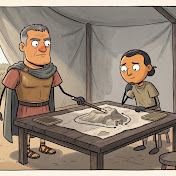
Roma expained
3 подписчика
1 113 просмотров · 9 дней назад
#AncientRome #RomanEmpire #RomanArmy
You wake before dawn, the way you have for twenty-five years, and wait for the horn. Nothing. No centurion shouting down the line. No hobnailed boots outside. No duty waiting for you. By sunset, the Roman army will be finished with you.
A Roman soldier’s last day wasn’t simply a ceremony and a reward. One word in his records could decide whether twenty-five years of service ended with honour or disgrace. We go through the final duty roster, the savings kept under the standards, the three kinds of discharge, the cash or land a veteran could receive, and the Roman colony that turned retirement into something much more complicated. Then we follow what happened when that system failed — from mutiny on the Rhine to the destruction of Camulodunum during Boudica’s revolt.
Timestamps:
0:00 — The Morning the Army Goes Quiet
4:07 — Your Final Duty Roster
8:50 — Honourable or Disgraced
10:07 — What Twenty-Five Years Was Worth
14:12 — The Colony of Victory
16:36 — Why Rome Settled Veterans Here
18:09 — Watching the Legion Leave
19:35 — When Roman Retirement Went Wrong
24:21 — The Colony Burns
28:50 — The Door Waiting at Sundown
Stay until the end to see why Rome didn’t simply let this soldier go — and how the doorway he enters on his last evening connects directly to the town that will burn about eleven years later.
New Ancient Rome documentary every week. Subscribe for more.
#AncientRome #RomanEmpire #RomanArmy #History
Sources: Cassius Dio, Roman History · Tacitus, Annals and Agricola · Vegetius, De Re Militari · Roman legal tradition on military discharge · surviving Roman military rosters and leave records · archaeological evidence from Roman Colchester
This video is for educational and storytelling purposes. Ancient sources are sometimes incomplete or written long after the events they describe, archaeological interpretations can change, and historians don’t always agree on dates, figures, or specific details of Roman military service.
