Why You Wouldn't Survive 24 Hours on a Viking Longship
Broadside
0:00 / 0:00
Why You Wouldn't Survive 24 Hours on a Viking Longship
3 просмотра · 11 дн. назад
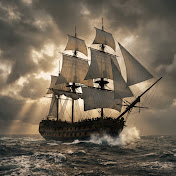
Broadside
3 просмотра · 11 дн. назад
A ship built backwards, skin first and skeleton last, that conquered the sea by bending with it. How could a Viking longship cross the North Atlantic and still slide onto any beach?
In this documentary we follow a longship of up to about 30 meters from keel to battle. You will see how Scandinavian shipwrights used the clinker method, raising a shell of overlapping planks and fitting the frames only afterward, and why that made the hull light, flexible and shallow enough to draw about one meter.
Key points:
Planks were cleaved, not sawn, from oak or pine, so they were thin but strong.
Thousands of iron rivets and tarred animal hair held and sealed the overlaps.
Up to 18 pairs of oars, one square sail and a side steering oar, the origin of the word starboard.
Roughly 5-6 knots under oars and up to about 10 under sail; the Sea Stallion replica's 17 knots is still debated.
The trade-off: speed and shallow draft in exchange for protection and cargo space.
The story ends at the Battle of Svolder, around September 1000, where King Olaf Tryggvason and his giant Long Serpent were trapped by their enemies. Sagas written long after the events are treated with caution, and Olaf's fate remains disputed. We also follow the 1893 replica that sailed to Chicago.
Which ship should we take apart next? Tell us in the comments.
#VikingShip #Longship #NavalHistory #Documentary #Shipbuilding
