Solfeggietto no. 8, op 36 (1981) - Claude Ballif - Performed Live by Don-Paul Kahl
Don-Paul Kahl
0:00 / 0:00
Solfeggietto no. 8, op 36 (1981) - Claude Ballif - Performed Live by Don-Paul Kahl
391 просмотр · 1 год назад
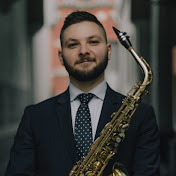
Don-Paul Kahl
496 подписчиков
391 просмотр · 1 год назад
Solfeggietto no. 8, op 36 (1981)
Claude Ballif (1924-2004)
0:00 - I - Dolce e comodo e senza vibrare
3:00 - II - Allegro giovial
11:35 - III - Quieto e con tenereza
Don-Paul Kahl, saxophone - @donpaulkahl
Recorded Live in the Concert Hall at Orpheus Institute
Ghent, Belgium
10 March 2025
Kindly sponsored by the Association Claude Ballif.
https://www.donpaulkahl.com
https://www.claudeballif.com
Programme Note (written by Vincent Decleire, translated by Don-Paul Kahl):
[For the original in French, please refer to the following website: https://www.donpaulkahl.com/baliff ]
From 1961 to 1999, the French composer Claude Ballif (1924–2004) composed 19 solo instrumental pieces based on the same 11-tone reference system “référentiel,” titled Solfeggiettos (reusing the title of a monophonic keyboard piece, Wq 117/2, by C. Ph. E. Bach) and grouped as Opus 36. In 1981, the Association des Saxophonistes de France (AsSaFRA) commissioned a piece from Ballif for the national competition in Aix-les-Bains: this became Solfeggietto No. 8, a three-movement work performed as a continuous whole. Ballif was inspired by and drew upon Daniel Kientzy’s research on saxophone fingerings and “Les sons multiples aux saxophones” (Kientzy being the dedicatee of the first movement). The work was premiered by Claude Delangle (dedicatee of the third movement) in July 1982.
In the 1991 C.I.R.E.M. journal issue dedicated to Claude Ballif (pp. 151–152), Alain Poirier analyzed the composer’s sketches and highlighted the concentric form of this Solfeggietto, even though it may not be immediately evident to the listener due to the frequent changes in register and dynamics. The third movement reprises the material from the first but in reverse, as a retrograde. The second movement, the most developed and complex, consists of five sections—A B C B' A'—and at the heart of the central section (in this recording, from 7:02 to 7:18), there is a tribute to the inventor of the saxophone. The performer is invited to “make a reverential gesture with their instrument,” as the tempo suddenly broadens while the notes A / D B E / Eb A symbolically referencing (through German note names) the letters of A/DolpHE/ (E)SAx.
Although this piece may initially seem disorienting, it is striking for the diversity of gestures and rapid shifts in atmosphere, moving from softness to brilliance, from meditation to joy, from momentum to repose (interestingly, in the same year, Ballif also composed an organ piece titled Apostrophes et jubilations!). Movement itself is at the heart of Ballif’s art—he often cited Saint Augustine’s definition of music as ars bene movendi (music as the science of well-regulated movement). This Solfeggietto remarkably integrates multiphonics (I-II-III), introduces unheard of quarter-tone melodic phrases (exclusively in II), and showcases the altissimo register in all its nuances, among other features. It can be justly considered a landmark work in the solo saxophone repertoire of the 20th century.
