5 Woods You Should NEVER Burn in Your Fireplace. Number 2 Is Stacked in Half of America’s Homes.
Jacob Miller
0:00 / 0:00
5 Woods You Should NEVER Burn in Your Fireplace. Number 2 Is Stacked in Half of America’s Homes.
209 просмотров · 5 дн. назад
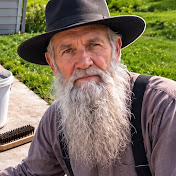
Jacob Miller
96 подписчиков
209 просмотров · 5 дн. назад
👉 Get The Amish Winter Blueprint here: https://jacobmiller58.gumroad.com/l/m...
Most people think a chimney fire starts with a spark, a bad stove, or a neglected chimney.
But sometimes, the trouble begins long before the match is ever struck — right in the woodpile outside your house.
Some firewood holds too much moisture. Some contains pockets of resin and pitch. And some gets burned in ways that can leave dangerous deposits building up inside your chimney season after season.
In this video, we're looking at 5 types of firewood that every homeowner should understand before loading another log into the stove.
We'll count them down from number five to number one:
🪵 Number 5: Cottonwood – Why this lightweight wood can disappoint you on a freezing night, and what happens when wet wood goes into the stove.
🪵 Number 4: Pitch-Rich Pine – How to recognize resin pockets, sticky knots, and the characteristics that make certain pieces worth treating with caution.
🪵 Number 3: Green Oak – Why a log can look dry on the outside while holding considerable moisture inside, and why freshly split wood matters when checking moisture content.
🪵 Number 2: Dead Elm – The overlooked wood sitting in yards and fields, and why dead standing doesn't automatically mean properly seasoned.
🪵 Number 1: Poorly Burned Hardwood – Why even excellent firewood can contribute to dangerous creosote buildup when a stove is operated incorrectly.
Here's something every wood burner should remember: the type of wood matters, but moisture content, proper airflow, burning practices, and chimney maintenance matter just as much.
A beautiful stack of firewood doesn't guarantee a safe winter.
LET'S TALK IN THE COMMENTS:
What state are you watching from? What kind of wood do you burn most often? And have you ever discovered a thick, black creosote coating inside your chimney?
Share your experience below. Someone else might learn something that keeps their home safer this winter.
🔥 A FEW IMPORTANT SAFETY REMINDERS:
• Burn properly seasoned firewood, ideally below 20% moisture content.
• Have your chimney inspected and cleaned regularly by a qualified professional.
• Never deliberately restrict stove airflow to make a fire smolder overnight.
• Install and maintain working smoke and carbon monoxide alarms.
Remember: chimney fires are serious. No firewood list replaces proper chimney inspection, maintenance, and safe stove operation.
Stay warm, burn wisely, and prepare before winter arrives.
