Writing Music Based Off a Psalm Every Day - Psalm 4
Jaron Huffine
0:00 / 0:00
Writing Music Based Off a Psalm Every Day - Psalm 4
16 просмотров · 12 дней назад
Jaron Huffine
2 подписчика
16 просмотров · 12 дней назад
Welcome to the series where I write a piece of music based off of a Psalm every day until I make it through all 150 Psalms. Today is Psalm 4.
----------
In this piece I sought to portray God answering us when we call, just as Psalm 4 describes. By beginning and rooting the piece in the “God” bass line established in Psalm 1, I am showing from the start that God is there and hears us when we call, even if we don’t hear an answer from him. In fact, even before we cry for help he knows our pleas and our needs. This is why I put this bass line before our call to the Lord appears in the piece.
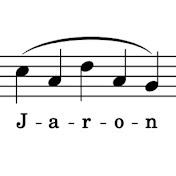
When it does appear it is first in the form of a solo clarinet. I picked this instrument for its earthy timbre, especially in its middle register, where the call sits. The call itself outlines a Csus2 chord. This chord features a dissonant clash between the C and D, however by displacing the D by an octave, this dissonance takes on a less harsh, more questioning tone. This combined with a rising line that mimics the inflection of our sentences when we are asking a question invokes the image of asking for something. In this case, asking God for help.
The first time around there is no response. It is just the call from the clarinet accompanied by the strings that began the piece. The second time around, however, the trumpet plays a phrase in answer to each call from the clarinet. This represents God answering our prayers, with the trumpet being an instrument that I used to announce God in earlier pieces, particularly Psalm 2. This answering phrase is descending, in contrast with the ascending plea from the clarinet. Also the trumpet outlines a perfectly consonant C Major triad, contrasting with the suspended version that the clarinet arpeggiates. God’s answers, while we may sometimes not find them clear, are always definitive. God has no need to question, but rather brings stability to what was unstable.
This simple four bar phrase of us crying out and God answering is repeated for the rest of the piece as more and more instruments are layered on. The cries get louder and louder, but God always responds in turn. The harmony never gets very dissonant or chromatic, but rather stays grounded in C Major for the whole piece. Crying out to God is actually healthy for our relationship with the Lord, as evidenced many times throughout the Psalms. Through it we learn to depend on the Lord and trust that he will provide and care for us.
After a forte climax all of the instruments drop out except for the ones that started the piece: the high tremolo violins, the cellos playing the bass line, the clarinet with its cry, and the trumpet, always answering. After much anguish we are able to rest in the peace that the Lord provides. We will still have troubles and need to call out to the Lord, but we can trust that the Lord will watch over us, and we can have peace because of that. The piece ends peacefully on a soft, quiet open fifth of C and G in the strings.
--------------
Made in Muscore 4
