The Incredible Engineering of the Captain's Cabin
Age of Sail
0:00 / 0:00
The Incredible Engineering of the Captain's Cabin
2 805 просмотров · 5 дн. назад
Age of Sail
31 подписчик
2 805 просмотров · 5 дн. назад
⚓ The captain's cabin had a back wall of glass, right where an iron ball met no resistance for fifty straight meters.
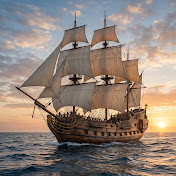
On a first-rate ship of the line, the captain's great cabin sat at the stern behind up to 150 glass panels, in the most vulnerable spot of the ship. The video shows why shipbuilders sliced off the towering castles of earlier ships, and how that moved the captain's quarters onto the gun deck.
It explains the light pine and canvas partitions, the thin transom, the oak deadlights, the drill to clear the cabin for action in about fifteen minutes, and what raking fire did to the stern, as with the French flagship Bucentaure at Trafalgar.
In this video:
• Why a glass stern was the most vulnerable spot on a ship of the line
• Why the towering stern castles of carracks and galleons were cut down
• How lightweight pine and canvas screens divided the great cabin
• Why the thin transom and oak deadlights could not stop artillery
• How the crew cleared the captain's cabin for action in under fifteen minutes
• What raking fire did to the Bucentaure at Trafalgar
• Why splinters caused more casualties than the cannonballs themselves
Subscribe to Age of Sail for more deep dives into the ships of the sailing era, and tell us in the comments: Would you have wanted the captain's luxury cabin, knowing it sat right in the line of fire?
#AgeOfSail #NavalHistory #MaritimeHistory #ShipOfTheLine #CaptainsCabin #RoyalNavy
Chapters:
00:00 The Glass Palace at the Stern
01:46 Why the Stern Castles Were Cut
04:08 Pine and Canvas Screens
06:24 The Weak Transom and Deadlights
09:30 Clearing the Cabin for Action
14:12 Raking Fire at Trafalgar
Stock video: Pexels.
