Why You Should NEVER Lay a Propane Tank on Its Side
RV Anatomy
0:00 / 0:00
Why You Should NEVER Lay a Propane Tank on Its Side
64 просмотра · 6 дней назад
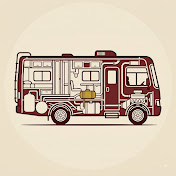
RV Anatomy
4 подписчика
64 просмотра · 6 дней назад
Most people assume a propane cylinder simply stores gas under pressure, but opening a tank actually taps into a delicate thermodynamic balance between boiling liquid and pressurized vapor. Laying a vertical tank on its side disrupts this internal balance entirely, forcing raw liquid fuel directly into regulators and appliances designed strictly for vapor. This comprehensive overview examines the physical behavior of portable propane cylinders and the engineering principles governing vapor-draw systems. We explore how phase transitions maintain system pressure, why standard regulators fail catastrophically when overwhelmed by rapidly expanding liquid, and how specialized horizontal ASME tanks differ in their internal pickup designs. The guide also details the operating parameters of overfill prevention devices and excess flow valves, explaining precisely why built-in safety mechanisms cannot prevent orientation hazards. This channel explores everyday engineering, thermodynamics, and mechanical safety through rigorous technical analysis.
Timestamps:
0:00 - The Propane Myth
0:23 - Inside the Tank: Liquid Under Pressure
1:09 - The Valve and Pickup System
1:40 - Boiling: The System's Power Source
2:10 - The Limits of Vaporization
2:41 - What Happens When You Tip the Tank
3:07 - The Math of Expansion
3:35 - Regulator Failure
4:06 - Thermal Shock and Catastrophic Failure
4:46 - Dangerous Flames
5:15 - The Invisible Killer: Carbon Monoxide
5:51 - Call to Action
5:57 - Excess Flow Valves: Limited Protection
6:36 - Overfill Prevention Devices
7:21 - Horizontal Tanks: Built for the Position
8:02 - Orientation Markings Are Not Suggestions
8:33 - Pressure Myths
9:13 - Partially Empty Tanks: Still Dangerous
9:53 - Temperature and Vaporization Rate
10:39 - Clean Burn vs Deadly Combustion
11:22 - BTU Overload and Component Failure
12:08 - Two-Stage Regulation: Still Not Enough
12:55 - Refilling Risks
13:45 - Relief Valves: Last Resort Protection
14:43 - Transport Regulations
15:23 - Storage and Propane Behavior
16:13 - The System Breaks When Orientation Changes
