《西府虎福》
Pazifik Jugendorchester Wien
0:00 / 0:00
《西府虎福》
540 просмотров · 10 дней назад
Pazifik Jugendorchester Wien
76 подписчиков
540 просмотров · 10 дней назад
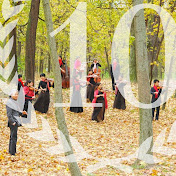
群舞《西府虎福》
编导:罗彬心
作曲:王新元
演员:李汶桐、李沁若、何曼琦、张跃然、王一婷
舞蹈遵循“元素提取一语境重塑一当代转化”的编创路径,跳出传统民俗舞蹈的器物展示范式,将虎头枕的符号语义进行多层转译:它是关中世代相传的生育祈福信物,是女性对新生命的期待与想象,也是套在女性身份之上的社会期待枷锁,更是最终达成自我和解的精神依托。作品通过舞者身体的聚散流动、拉扯承托,配合虎头枕在不同舞者间的传递、安放、背负与推拒,具象化呈现生育历程中期待与焦虑、接纳与抗拒交织的复杂心理图景。作品始终立足关中民俗的精神根脉,以当代女性的生存困境为切口,让千年民俗符号走出传统陈列的语境,介入真实的当代精神生活,在古老民俗与当下个体的对话中,唤醒民俗文化里本有的生命温度,实现传统民俗意象的创造性转化,成为关中民俗精神当代回响的鲜活注脚。
“Xifu Tiger Fortune”
Choreography: Luo Binxin
Composition: Wang Xinyuan
Dancers: Li Wenton, Li Qinruo, He Manqi, Zhang Yueran, Wang Yiting
This work is an innovative contribution to the independently developed dance production “Echoes of Sanqin – Guanzhong.” Its artistic concept is rooted in traditional folk-cultural symbols from the Xifu region: the tiger-head pillow and the so-called tiger talisman doll. It explores how folk themes can be integrated into a contemporary spiritual narrative. Performed by five female dancers, the group work centers on the traditional tiger-head pillow, transforming the spiritual core of folk culture—protecting the household, warding off misfortune, and praying for good fortune and blessings—into both a psychological mirror and a spiritual vehicle for a contemporary female narrative about motherhood and childbirth.
The choreography follows a creative process of “extracting elements, reshaping context, and transforming them for the contemporary world.” Moving beyond the traditional folk-dance model of presenting objects, it translates the symbolic meaning of the tiger-head pillow on multiple levels. Passed down through generations in Guanzhong, the pillow is a symbol of good fortune and protection, as well as a representation of fertility; an expression of women’s hopes and imaginings in the face of new life; a social burden of expectations imposed on female identity; and, ultimately, a source of spiritual support on the path toward self-reconciliation. Through the dancers’ gathering and dispersal, the pulling and carrying of bodies, and the passing, setting down, carrying, and rejection of the tiger-head pillow, the work makes visible the complex psychological landscape of childbirth and motherhood, in which anticipation and fear, acceptance and resistance, are intertwined.
The work remains deeply rooted in the spiritual foundations of Guanzhong folk culture while taking the lived experiences of contemporary women as its point of departure. In this way, a millennia-old folk symbol leaves the context of traditional display and enters the spiritual life of the present. Through a dialogue between ancient folk culture and the individual of today, the original vitality of this culture is awakened anew. The traditional folk image thus undergoes a creative transformation, becoming a living testament to the contemporary resonance of Guanzhong folk culture.
