EP051ติดตามนกเขาใหญ่กำลังฟักไข่ #นกเขาใหญ่ #spotteddove #birds #birdsounds #animals #nature #wildlif
นกเขา Spotted Dove
0:00 / 0:00
EP051ติดตามนกเขาใหญ่กำลังฟักไข่ #นกเขาใหญ่ #spotteddove #birds #birdsounds #animals #nature #wildlif
387 просмотров · 8 дн. назад
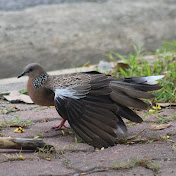
นกเขา Spotted Dove
417 подписчиков
387 просмотров · 8 дн. назад
การวางไข่และการเริ่มกก:ปกติวางไข่ครกละ 2 ฟองนกเขาใหญ่จะวางไข่ครั้งละ 2 ฟอง โดยไข่ฟองแรกกับฟองที่สองจะวางห่างกันประมาณ 24–48 ชั่วโมง นกจะเริ่มกกไข่อย่างจริงจังเมื่อวางไข่ครบทั้งสองฟอง เพื่อให้ลูกนกเจริญเติบโตและเจาะเปลือกไข่ออกมาในเวลาใกล้เคียงกัน2การผลัดเวรการกกไข่:นกตัวผู้และตัวเมียแบ่งหน้าที่ตามช่วงเวลาคู่พ่อแม่นกจะแบ่งเวลาการกกไข่อย่างชัดเจน:ตัวผู้: รับหน้าที่กกไข่ในช่วงกลางวัน (ประมาณช่วงสายถึงช่วงบ่าย)ตัวเมีย: รับหน้าที่กกไข่ในช่วงเย็น คืนทั้งคืน และช่วงเช้าตรู่การผลัดเวรช่วยให้พ่อและแม่นกมีเวลาออกหาอาหารและพักผ่อนได้อย่างเพียงพอ3การควบคุมอุณหภูมิและความชื้น:ระหว่างกกไข่ พ่อแม่นกจะใช้ความร้อนจากหน้าอก (Brood patch) ถ่ายเทไปยังไข่ และจะใช้ปากพลิกไข่เป็นระยะตลอดทั้งวัน เพื่อป้องกันไม่ให้ตัวอ่อนติดกับผนังเปลือกไข่ด้านใน และช่วยให้อุณหภูมิกระจายสม่ำเสมอทั่วทั้งฟอง4การเจาะเปลือกและการฟักออกมา:ระยะเวลาฟักรวม 14–16 วันเมื่อครบกำหนด ตัวอ่อนภายในจะเริ่มใช้ "ติ่งเจาะเปลือก" (Egg tooth) ที่ปลายปากเจาะเปลือกไข่จากด้านใน จนเกิดเป็นรอยปริ และค่อยๆ ดันตัวออกมา กระบวนการเจาะเปลือกอาจใช้เวลาหลายชั่วโมงถึงครึ่งวัน5การดูแลแรกเกิดและการให้อาหาร:ให้อาหารด้วยนมกระเพาะอาหาร (Crop Milk)ลูกนกแรกเกิดจะยังไม่ลืมตาและไม่มีขนปกคลุม ในช่วง 3–4 วันแรก พ่อและแม่นกจะขย้อน "นมกระเพาะอาหาร" (Crop Milk) ซึ่งเป็นสารอาหารเข้มข้นสูงให้ลูกนกกิน ก่อนจะค่อยๆ เปลี่ยนเป็นเมล็ดพืชย่อยส่วนหนึ่งในสัปดาห์ถัดมา
Spotted Doves lay two white eggs per clutch, usually 24 to 48 hours apart. Serious incubation begins only after the second egg is laid so that both chicks develop and hatch around the same time.
The male and female take structured turns sitting on the eggs
Male: Broods during the day (typically from mid-morning to late afternoon).
Female: Broods from late afternoon, through the entire night, and early in the morning.
This schedule ensures both parents have dedicated time to forage, drink, and rest.
The brooding parent transfers body heat via a featherless patch of skin on their lower chest (the brood patch). They frequently rotate the eggs using their beak to prevent the embryo from sticking to the inner shell membrane and to ensure heat is evenly distributed.
When development is complete, the chick uses its "egg tooth" (a small temporary protrusion on the tip of its beak) to crack open the shell from inside. Breaking through the shell (pipping) and fully emerging can take several hours up to half a day.
Newly hatched chicks are blind, helpless, and covered only in sparse down. For the first 3 to 4 days, both parents feed them crop milk—a protein- and fat-rich secretion produced in the parent's crop lining—before gradually introducing partially digested seeds.
#นกเขาใหญ่ #spotteddove #birds #birdsounds #animals #nature #wildlif
