What Did Medieval Peasants Actually Do All Winter?
Thatch & Tallow
0:00 / 0:00
What Did Medieval Peasants Actually Do All Winter?
123 просмотра · 3 дня назад
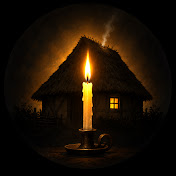
Thatch & Tallow
1 подписчик
123 просмотра · 3 дня назад
What did medieval peasants actually do all winter? We follow one village family through the winter of 1310, from the November pig slaughter to Easter: the salt barrel and the smoke in the rafters, first sleep and second sleep, threshing in the dark, twelve days of Christmas, the Candlemas checkpoint and the hungry gap of Lent.
0:00 Choosing who survives the winter
1:51 Meet the family
3:10 Blood month
7:05 One room, one fire
10:48 Eight hours of light
14:08 The work never stops
17:05 What they ate
19:47 Twelve days of Christmas
22:33 Ice, mud and mischief
25:11 Candlemas: half your hay
27:11 The hungry gap
29:31 When winter goes wrong
31:35 Spring
32:45 What a medieval winter teaches us
Sources:
William FitzStephen, Description of London (c. 1173), on skating with bone skates; bone skates in the London Museum collection
City of London proclamation against football, 13 April 1314 (V&A collection record)
M. Lewis, C. Roberts, K. Manchester (1995), maxillary sinusitis in medieval Wharram Percy and York, American Journal of Physical Anthropology 98(4)
Smoke-blackened thatch research (J. Letts; Building Conservation, "Thatching with Long Straw")
W. C. Jordan, The Great Famine (on 1315–1317)
R. Ekirch, At Day's Close (on first and second sleep)
Bede, The Reckoning of Time, ch. 15 (on Blotmonath)
Wat, Agnes and their family are a composite built from manor records, chronicles and archaeology. Scripts are researched from historical sources. Visuals are AI-assisted reconstructions.
Subscribe for a new question about medieval life every week.
#MedievalHistory #MiddleAges #History
