Why There's Food for the Dead on Every Slava Table
Baba Mira
0:00 / 0:00
Why There's Food for the Dead on Every Slava Table
41 просмотр · 12 дн. назад
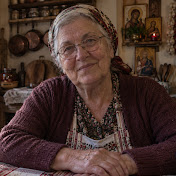
Baba Mira
379 подписчиков
41 просмотр · 12 дн. назад
In the middle of every slava lunch sits a bowl of boiled wheat that is also required at the meal for the dead. Right next to it, the round slava bread gets soaked in red wine, turned and lifted before anybody eats. Baba explains why the happiest day of a Serbian family's year keeps a dish for the dead.
Baba makes a fasting slava kolač (flour, oil, sparkling mineral water, yeast, salt and a little sugar, with some holy water if you have it), with no eggs, milk or butter, because Saint Nicholas and every Wednesday or Friday slava is a fasting slava. Then the decorations: the IC XC NI KA seal, the wheat ears, the grapes, the dove, all from a salty white dough you should not let the children eat. Then the žito: wheat picked clean of stones and corncockle, soaked overnight, cooked until the grains split, never rinsed, ground with walnuts and sugar.
After that, the cutting: the wine poured crosswise, the bread turned in the direction of the sun, the dolibaša, and the spoon of žito every guest gets. And finally, what a priest in Niš says a slava actually needs, and why the wheat is offered in memory of the people who are no longer at the table.
Recipe amounts come from published Serbian recipes (Nova/Danas, Kurir, Nova) and are named in the video. Every oven and every batch of wheat is different, so watch yours.
Baba Mira is an AI character. The facts in this video come from named sources: UNESCO, the National Register of Intangible Cultural Heritage of Serbia, Nikola Pavković's 2015 article in the Glasnik of the Ethnographic Institute SANU, Fr. Dalibor Milić (Južne vesti/N1), Fr. Predrag Popović (RTS), and OrthodoxWiki.
