21: Innovation in Cities - Burhan Azeem - Cambridge City Councillor and Vice Mayor
Where Innovation Happens with Tim Rowe
0:00 / 0:00
21: Innovation in Cities - Burhan Azeem - Cambridge City Councillor and Vice Mayor
145 просмотров · 8 дней назад
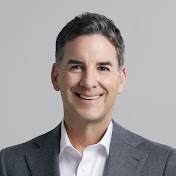
Where Innovation Happens with Tim Rowe
209 подписчиков
145 просмотров · 8 дней назад
In this episode of Where Innovation Happens, I sit down with Burhan Azeem, an MIT graduate, startup guy, Cambridge Vice Mayor and City Councillor.
I invited Burhan to the show because he has an unusual perspective: he has built companies, worked inside the startup ecosystem, and then moved into government to try to change some of the rules that shape how our cities actually work. I wanted to find out what he has learned.
We started by asking what cities could do differently to make life better?
The challenge of creating more housing was a big part of our conversation. Burhan compares our housing shortage to a drought: we can fight over how to allocate a scarce resource, debating who should pay what, or we can figure out how to create more of it. We both agree that there is a lot of opportunity to do the latter in housing. We talked about some possible pieces of the solution: more flexible zoning and permitting, accessory dwelling units, factory-built housing, standardization, and why we still build most homes as one-off projects rather than taking advantage of the efficiencies we use to manufacture almost everything else.
We moved on to transportation. Burhan makes the interesting observation that cars are an “anti-density technology”: they work less well as density increases. In contrast, mass transit becomes more useful as density increases. We talked about why America has become so slow and expensive at building transit, what Boston might learn from places such as Tokyo, and how autonomous vehicles and AI could create entirely new transportation models.
We also got into some practical examples of government innovation. Why is it so difficult to operate a food truck? Do layers of permits and processes suppress entrepreneurship? And when regulations have accumulated over decades, how do we distinguish rules that protect people from rules that simply make useful things harder to do?
Then we turned toward AI and the future of work. Nobody knows exactly how AI will change work, but Burhan laid out three possible paths: (1) AI could change jobs gradually, as previous technologies have; (2) it could dramatically reduce the amount of human labor society needs; or (3) it could displace particular groups of workers quickly enough to create real pain, while impacting others less. We discussed what government should be watching for as this unfolds, and whether rising productivity could ultimately give people more time to learn, create, and live—perhaps even leading to something like a 20-hour workweek.
This conversation was about problem-solving. Burhan came to MIT wanting to work on problems in the physical world, and he tends to think like an engineer: define the problem, understand the system, choose the variables that matter most, and then actually try to make something happen. His priorities—housing, transportation, and AI policy—are also some of the biggest questions facing innovation-driven cities around the world.
Featured guest: Burhan Azeem, Vice Mayor of Cambridge and candidate for Massachusetts State Senate
Host: Tim Rowe, Founder & Executive Chair of CIC
Topics: innovation in cities, urban innovation, Cambridge Massachusetts, Boston innovation ecosystem, housing affordability, zoning reform, housing innovation, modular housing, ADUs, public transportation, MBTA, transit innovation, autonomous vehicles, AI policy, artificial intelligence, future of work, government innovation, permitting reform, startup ecosystems, entrepreneurship, economic development, Massachusetts politics
#WhereInnovationHappens #CICNow #UrbanInnovation #Housing #Transportation #AI #FutureOfWork #CambridgeMA #Boston #InnovationEcosystems
