Can Modern Architecture Actually Last?
NextGen Home Builders
0:00 / 0:00
Can Modern Architecture Actually Last?
252 просмотра · 2 недели назад
NextGen Home Builders
294 подписчика
252 просмотра · 2 недели назад
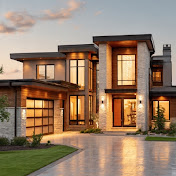
Along a quiet street, a striking modern residence stands out—defined by a massive concrete roof plane that floats effortlessly over glass. To a casual passerby, it looks like a pure exercise in architectural sculpture. Look closer, and that dramatic cantilever reveals a hidden purpose: casting shade while directing rainwater away from fragile glass assemblies below.
Can architectural ambition and long-term durability truly coexist, or does achieving one inevitably compromise the other?
In this architectural building physics documentary, we examine how high-performance modern homes work with physical laws rather than fighting them, combining climate-responsive geometry, micro-deflection engineering, weathering patinas, and built-in serviceability.
In this video, we cover:
When Beauty Has a Job to Do: Integrating capillary breaks and drip profiles directly into architectural reveals
Climate-Responsive Design: Aligning glazed facades and thermal mass with local environmental forces
The Structure Behind Beauty: Controlling micro-deflections over long spans to protect glass and plaster
Aging Gracefully: Specifying weathering steel, zinc, stone, and architectural concrete that improve with time
Accessible Architecture: Designing shadow-gap access panels and dedicated utility chases for easy maintenance
If you appreciate architectural design, structural engineering, and modern luxury house physics, make sure to like, subscribe, and turn on notifications!
#Architecture #ModernHome #BuildingScience #StructuralEngineering #LuxuryHomes #HouseDesign #HomeBuilding #NextGenHomeBuilders #ArchitecturalPhysics
DISCLAIMER:
The information provided in this video is for educational and informational purposes only. Structural deflection limits, post-tensioned concrete tolerances, capillary break details, and zero-threshold drainage capacities vary significantly based on geographic climate zones, rainfall intensity, soil mechanics, and local building codes. Always consult with a licensed structural engineer, architectural team, and qualified custom builder before designing or constructing complex residential structures.
