Why Some Modern Homes Still Look Incredible 50 Years Later
NextGen Home Builders
0:00 / 0:00
Why Some Modern Homes Still Look Incredible 50 Years Later
146 просмотров · 12 дней назад
NextGen Home Builders
295 подписчиков
146 просмотров · 12 дней назад
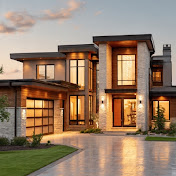
What makes a modern home still look beautiful 50 years after it was built?
Not expensive finishes. Not futuristic technology. And not simply following the latest architectural trend.
A truly timeless minimalist home is designed to change without losing its identity.
In this architectural deep dive, we examine the hidden principles behind modern homes that can remain functional, adaptable, and visually compelling for decades.
You'll discover why designing for future owners can be more important than designing for the original homeowner, why technology should be treated as replaceable infrastructure, and how material selection can determine whether a minimalist home develops beautiful character or simply looks neglected.
We'll also explore envelope drainage, repair-friendly facade systems, adaptable floor plans, structural planning, service access, and the importance of separating a home's permanent structural skeleton from components that will eventually need replacement.
Most importantly, we'll look at a concept that is often overlooked in modern architecture: designing for change.
A home built to last 50 years shouldn't be frozen in the year it was constructed. It should have enough flexibility to accommodate changing lifestyles, technology, materials, maintenance requirements, and future renovations while preserving the proportions and architectural principles that made it beautiful in the first place.
Because true timeless architecture isn't architecture that refuses to age.
It's architecture that ages beautifully.
If you enjoy modern architecture, minimalist homes, building science, structural design, luxury homes, and the hidden decisions that determine how buildings perform over decades, subscribe to NextGen Home Builders for more architectural investigations.
Disclaimer:
This video is for educational and informational purposes only. Building systems, materials, structural strategies, climate requirements, and construction methods vary by location and project. Specific designs should be evaluated by appropriately qualified professionals and comply with applicable building codes and standards.
