Psychology of Online Silence | Why Some People Don't Post on Social Media
Psych-ED
0:00 / 0:00
Psychology of Online Silence | Why Some People Don't Post on Social Media
65 просмотров · 2 нед. назад
Psych-ED
28 подписчиков
65 просмотров · 2 нед. назад
#OnlineSilence #SocialMediaPsychology #WhyPeopleDontPost
Psychology of Online Silence | Why Some People Don't Post on Social Media
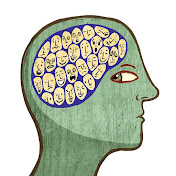
Why do some people never post on social media, even when they have friends, photos, and a full life? This video explores the psychology of online silence without assuming every quiet profile means the same thing. Some people simply get what they need from reading or private messages. Others draft a post, then stop when friends, relatives, and coworkers collapse into one imagined audience. Research on abandoned Facebook drafts, online participation, and private communication reveals how uncertainty, privacy, effort, and the tone of a conversation can shape who speaks. Before judging, consider what happens beyond the public feed. The unexpected result: visible comments can misrepresent what the wider audience believes. An empty profile shows what was shared publicly, not what someone felt, considered, or said privately.
Have you ever written a post and deleted it before anyone saw it? What made you stop?
#ContextCollapse #SelfCensorship #OnlinePrivacy #DigitalBehavior #SocialMediaResearch #PrivateCommunication
---
Research referenced
Preece, Nonnecke & Andrews (2004), reasons for lurking: https://doi.org/10.1016/j.chb.2003.10...
Das & Kramer (2013), Facebook self-censorship (3.9M users): https://doi.org/10.1609/icwsm.v7i1.14412
Marwick & boyd (2011), context collapse: https://doi.org/10.1177/1461444810365313
Burke & Kraut (2016), communication and well-being: https://doi.org/10.1111/jcc4.12162
Oswald et al. (2025), four-week Reddit discussion experiment: https://doi.org/10.1126/sciadv.ady8022
Lee et al. (2025), overestimating harmful posters: https://doi.org/10.1093/pnasnexus/pga...
Godard & Holtzman (2024), 141-study meta-analysis: https://doi.org/10.1093/jcmc/zmad055
---
Educational content only. Research findings describe groups and associations; an individual's posting habits do not establish their motives or mental health. This is not a diagnosis or personalized mental health advice.
